Luglio di CATL 6 il lancio della batteria commerciale leggera Tectrans II è più di un aggiornamento del prodotto. È un segnale pratico che le aspettative di ricarica rapida nella logistica e nei veicoli per le consegne si stanno avvicinando al territorio dei veicoli elettrici per passeggeri, con implicazioni dirette per la progettazione del modulo, strategia di raffreddamento, e integrazione PACK.
Copia formale del corpo inglese
A luglio 6, 2026, CATL ha introdotto la batteria Tectrans II per veicoli elettrici commerciali leggeri, mirando a casi d’uso come la logistica urbana, flotte di distribuzione, e altre operazioni commerciali ad alta frequenza. Secondo i dati annunciati dalla società, la batteria può essere caricata da 20% per 80% stato di carica in 6 minuti e 48 secondi, e raggiungere la carica completa 8 minuti e 56 secondi. CATL ha inoltre affermato che il prodotto è progettato per una durata utile fino a 10 anni o 1 milioni di chilometri.
Per il segmento commerciale leggero, questo è importante perché l'economia dei tempi di attività sta diventando sempre più impegnativa. Le flotte di consegna e i veicoli per il servizio urbano non valutano le batterie solo in base all’autonomia nominale. Confrontano sempre più i tempi di recupero del percorso, flessibilità della finestra di ricarica, e la durabilità dell'imballaggio rispetto al costo operativo totale. Una piattaforma di batterie che promette una ricarica quasi alla velocità di rifornimento cambia la discussione da “Questo veicolo può elettrificare??" a "Può questo veicolo rimanere produttivo sotto la reale pressione della flotta??"
Per i fornitori di moduli e PACK, il significato è tecnico oltre che commerciale. Velocità di carica molto elevate alzano lo standard per la progettazione del percorso della corrente, consistenza termica, selezione delle sbarre e dei connettori, strategia di raffreddamento, e coordinamento del BMS. Anche gli acquirenti che non adottano immediatamente questa esatta piattaforma CATL potrebbero iniziare a porre domande simili sull’aumento del calore, ripetibilità della carica, ritenzione del ciclo, e margine di sicurezza in caso di uso frequente di ricarica rapida.
Ciò crea spazio per i fornitori guidati dall’ingegneria. In termini pratici, è probabile che la prossima ondata di business delle batterie commerciali leggere favorisca i partner che possono passare dalla selezione delle celle all’abbinamento dei moduli, progettazione del recinto, Adattamento del BMS, e consegna in PACK producibili senza promettere troppo l'integrazione dell'intero veicolo. Per LYTH, questo è il livello giusto della catena del valore da affrontare.
Vista LYTH
La nostra lettura è che Tectrans II non è solo il lancio di un prodotto principale. È un segnale del mercato che i progetti di batterie per veicoli elettrici commerciali leggeri saranno giudicati più rigorosamente in base all’efficienza di ricarica, coordinazione termica, e affidabilità a lungo ciclo di lavoro. Per i clienti che valutano soluzioni di batterie personalizzate, la compatibilità della piattaforma batteria e l'esecuzione a livello di pacchetto stanno diventando importanti quanto le prestazioni principali delle celle.
Cosa può fare LYTH
LYTH può supportare la valutazione del modello cellulare, corrispondenza del modulo batteria, e personalizzato PACK sviluppo di progetti di elettrificazione commerciale leggera. Ciò include l’adattamento del BMS, coordinamento termico e strutturale, supporto del campione, e comunicazione tecnica orientata alla produzione per gli acquirenti che necessitano di un’integrazione pratica delle batterie piuttosto che di un posizionamento del sistema su scala industriale.
Fonti
CnEVPost: CATL presenta la nuova batteria per veicoli commerciali leggeri che si ricarica 80% in sotto 7 minuti
Tecnologia della batteria: CATL presenta la batteria a ricarica rapida Tectrans II per la logistica
 Italiano
 English
 Français
 Deutsch
 Русский
 Español
 Il lancio di TECTRANS II di CATL mostra perché i PACCHI batterie commerciali iniziano con il ciclo di lavoro
 Predisposizione per il passaporto della batteria per moduli e PACK personalizzati
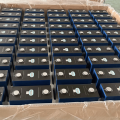 Navi LYTH 16,000 Celle batteria CALB 314Ah per l'Europa
 587Mezzi di produzione di massa di celle Ah per gli acquirenti di moduli batteria e PACK
 Integrazione dello storage a doppio cluster: Riduzione dei costi hardware o vera architettura elettrica?