Grupo Volkswagen, La nueva asociación LFP de PowerCo y Gotion no es solo un titular de suministro celular. Para compradores de módulos de batería y PACK, Es un recordatorio de que el abastecimiento regional aún debe ir acompañado del control de especificaciones., diseño del módulo, validación y documentación.
en septiembre 28, 2026, Grupo Volkswagen, PowerCo SE and Gotion High-tech announced that they had agreed to deepen their strategic partnership and accelerate a regional battery supply chain for Europe. The companies said the plan includes joint ventures in Valencia, Spain; Surany, Slovakia; and Kenitra, Morocco, focused on industrial production of LFP battery cells and cathode active materials. Volkswagen also stated that the agreement covers joint procurement and sales activities in Europe.
The practical question for battery buyers is simple: if LFP production becomes more localized, does module and PACK planning become easier? The answer is partly yes, but not automatically. Regional cell production may improve supply resilience and shorten the distance between cell production, vehicle platforms and downstream manufacturing. sin embargo, a battery module still depends on cell specification stability, dimensional confirmation, electrical matching, mechanical fixture design, compression strategy, Límites de BMS, thermal paths and quality documentation.
This distinction matters because LFP is increasingly important in cost-sensitive EVs, commercial mobility and energy-storage applications. LFP cells are valued for robust cycle life, stable chemistry and cost competitiveness, but the chemistry name alone does not define the module. Prismatic, cylindrical and blade-format LFP cells can require very different enclosure structures, busbar layouts, cooling interfaces, service procedures and shipping documentation.
Even two prismatic cells with similar capacity may differ in terminal position, swelling behavior, allowable compression, charge and discharge limits, and supplier traceability format. For European buyers, the Volkswagen-PowerCo-Gotion announcement is therefore a sourcing signal and a design signal at the same time.
Buyers evaluating module supply should ask whether the intended cell model has been confirmed, whether equivalent alternatives have been reviewed, whether module drawings can accommodate cell tolerance changes, and whether the validation plan covers electrical, térmico, mechanical and documentation requirements.
The announced supply-chain structure also illustrates the need to synchronize specifications across different companies and production locations. Module manufacturers and PACK integrators need a controlled bill of materials, drawing and software version control, incoming inspection rules, batch traceability and agreed acceptance criteria before samples can be considered production-ready.
For custom module development, the central takeaway is that a localized LFP cell supply chain is not the same as a drop-in module supply chain. The engineering process still includes cell-data review, module structure design, busbar and insulation design, BMS parameter alignment, thermal-safety analysis, production fixture planning and validation.
This is especially relevant for EV modules, light commercial battery systems, telecom backup batteries and smaller energy-storage PACKs. These applications may require different voltages, communication protocols, enclosure layouts and operating environments from the cell manufacturer’s original program.
Ver
The Volkswagen-PowerCo-Gotion announcement shows that LFP localization is moving from a purchasing topic to an engineering-planning topic. Para compradores de módulos y PACK, the main risk is assuming that a regional cell source automatically solves module compatibility. The real work remains in specification control, validation and manufacturing adaptation.
Qué puede hacer LYTH
LYTH can support LFP cell sourcing checks, desarrollo del módulo de batería, custom PACK integration and application matching for EV, telecom backup and light-storage projects. For new or substituted cell models, LYTH can evaluate dimensions, electrical limits, Requisitos de BMS, thermal and mechanical constraints, sample feasibility and documentation needs before the model is treated as production-ready.
Fuentes: Volkswagen Group official announcement · INABR Chinese industry coverage


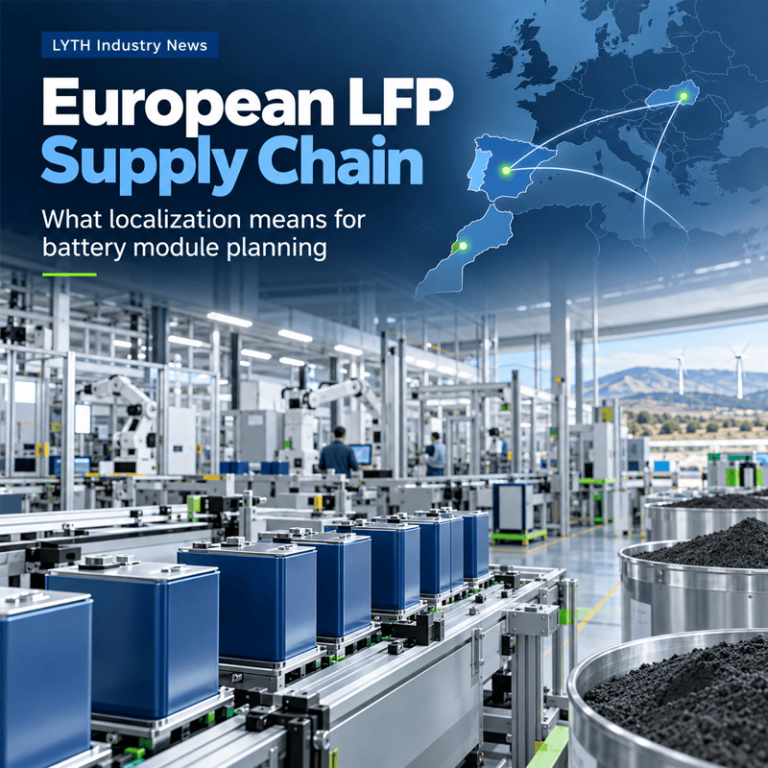 Localización de baterías LFP europeas y planificación de módulos
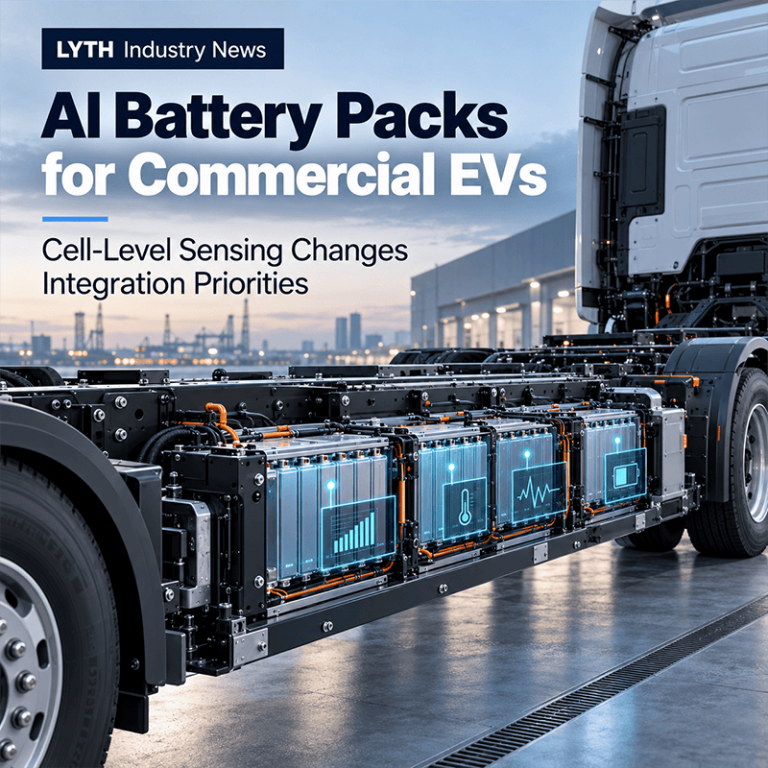 Paquetes de baterías de IA para vehículos eléctricos comerciales: Qué cambia la detección a nivel celular para la integración
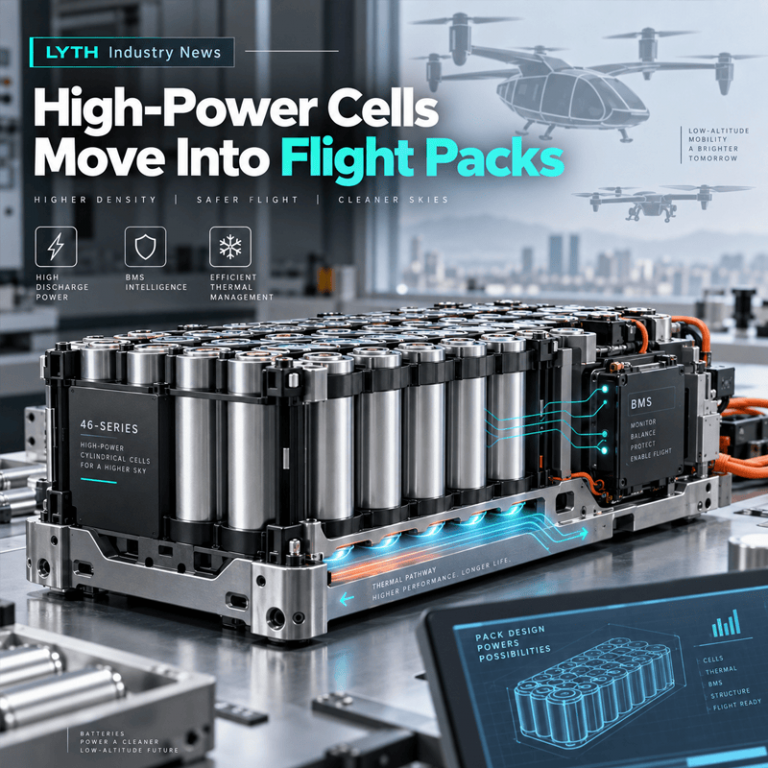 Las células de alta potencia se trasladan a paquetes de vuelo: Lo que requieren las baterías de baja altitud más allá de la capacidad
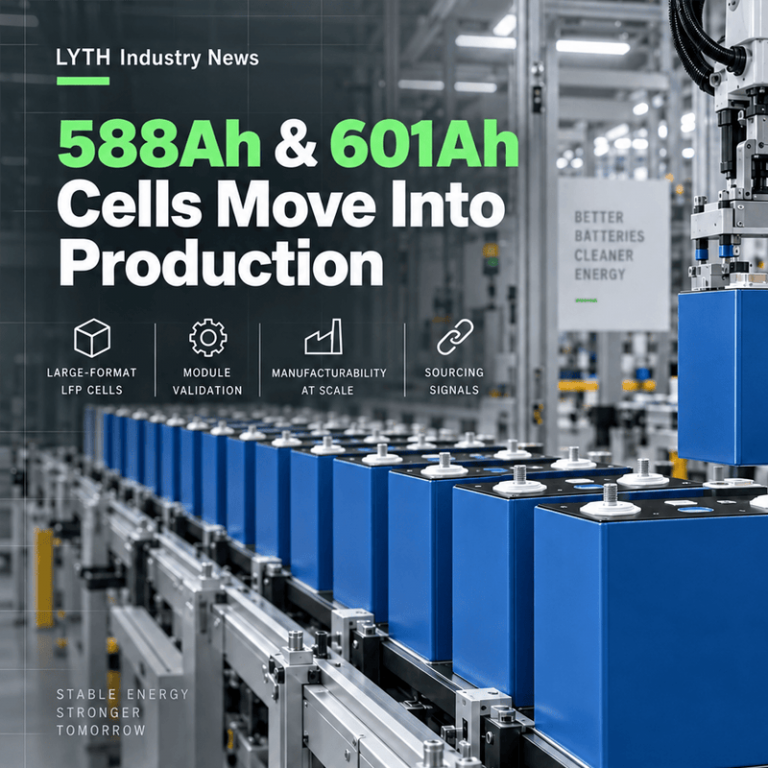 588Las celdas LFP de Ah y 601 Ah pasan de la hoja de ruta del producto a la señal de fabricación
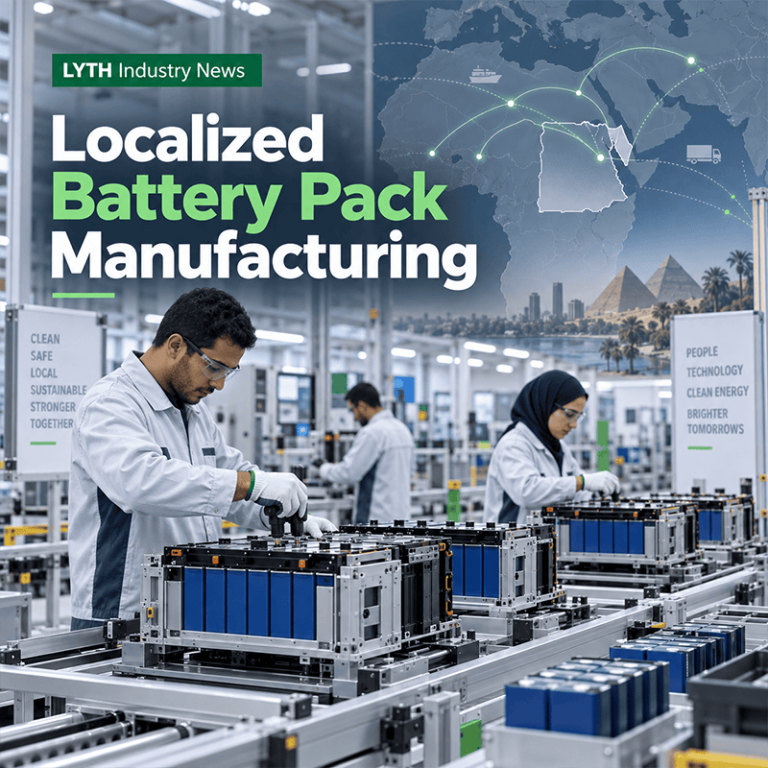 Fabricación localizada de PAQUETES de baterías: Lo que el acuerdo CATL-BME indica a los compradores