Категории продукта
контакт

86.13603880312
info@lythbattery.com
+8613603880312
Добавьте WhatsApp, чтобы получить более подробную информацию


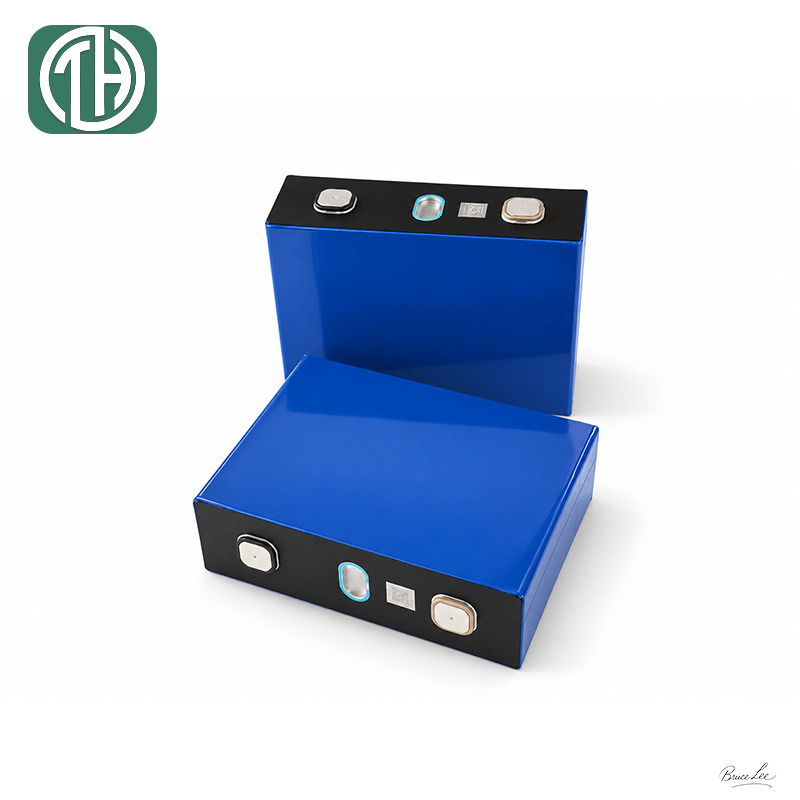
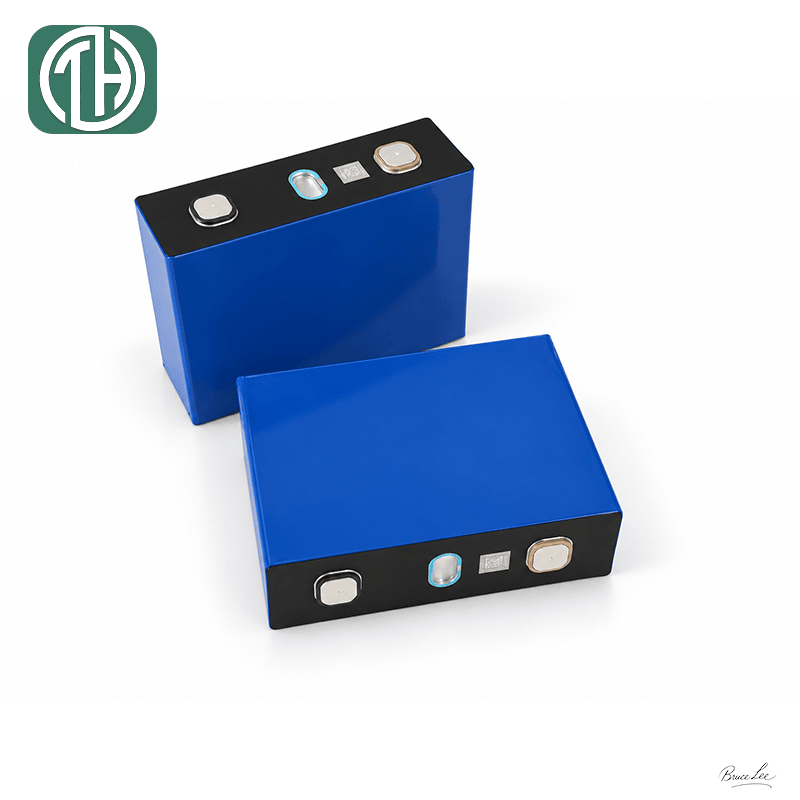
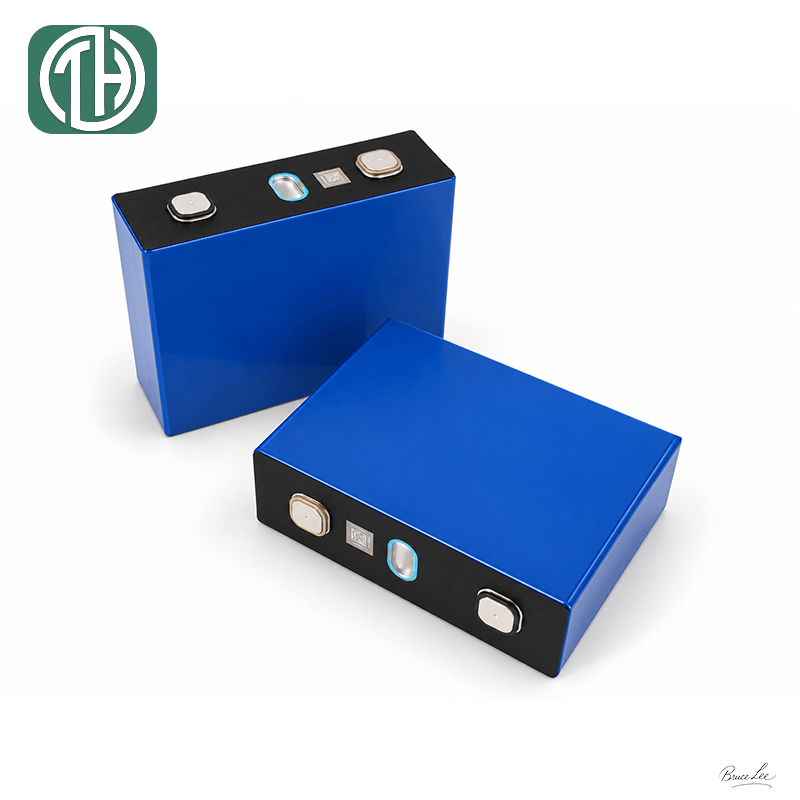
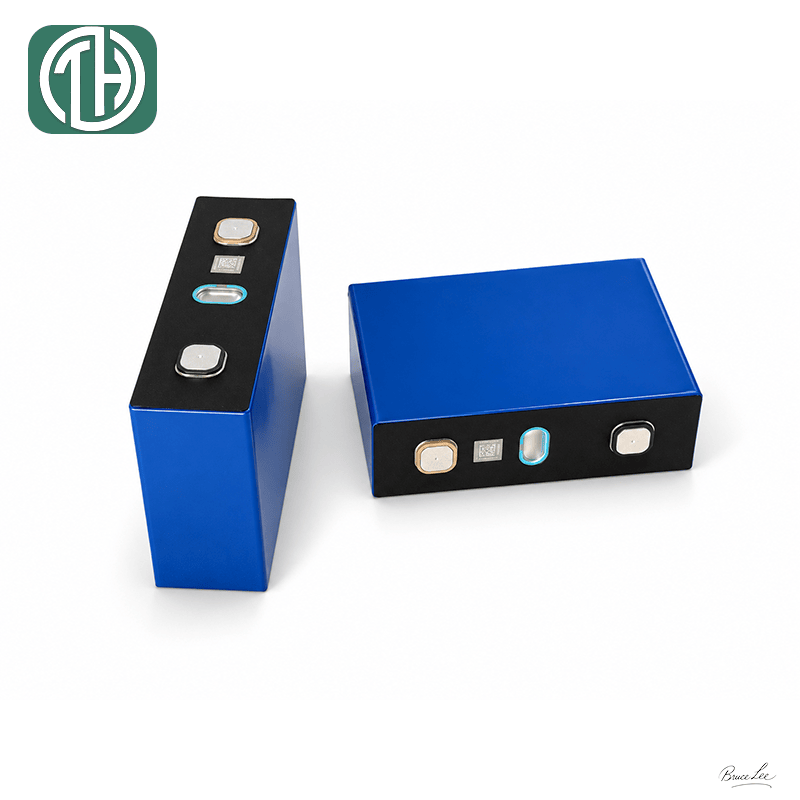
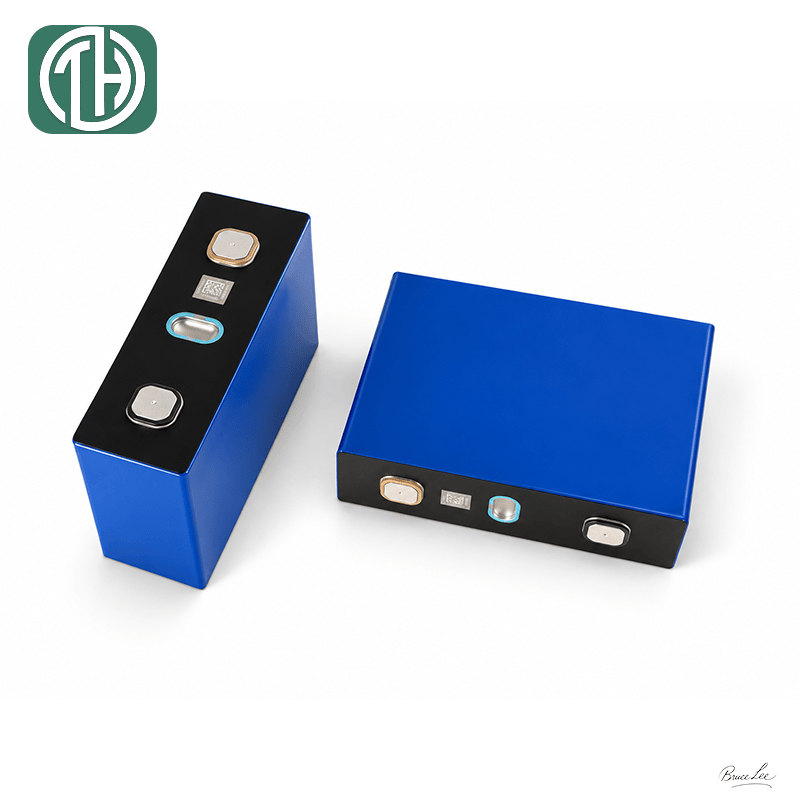
The Rongjie Energy LFP102Ah is a 102Ah prismatic LiFePO4 cell with a nominal voltage of 3.2V. Rated for 0.5C charging and discharging and a manufacturer-listed cycle life of 6,000 циклы, it is designed for energy storage battery packs and systems.
запросThe RJE LFP102Ah, also identified as EC-AU102-JAG0B8, is a 3.2V prismatic LiFePO4 cell with 102Ah capacity and 326.4Wh rated energy. Designed for energy storage battery integration, it offers a compact cell format for residential solar storage and customized battery modules.
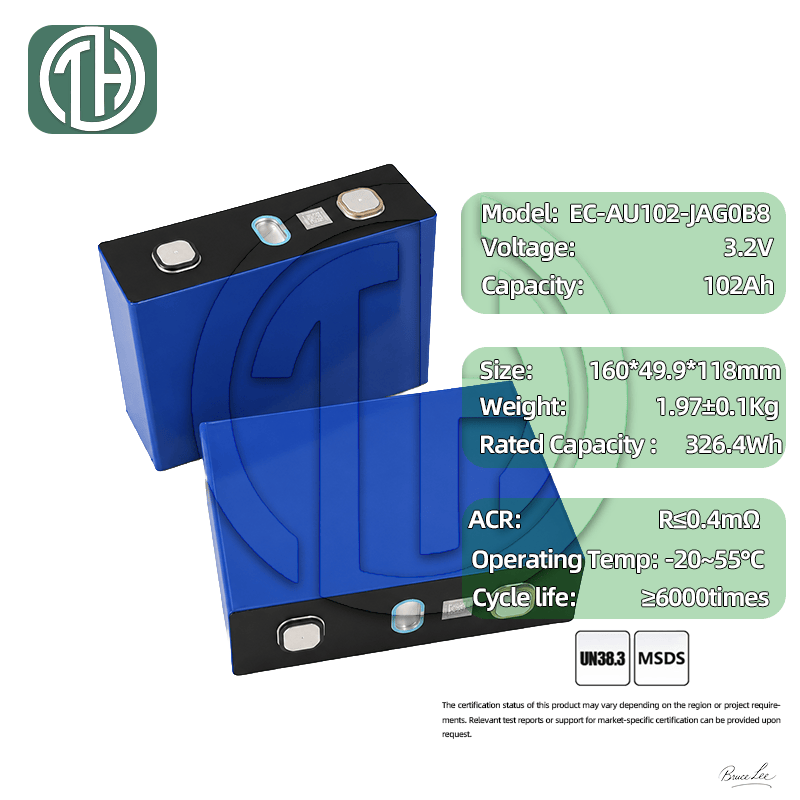
With a rated 0.5C charge and discharge rate and a cycle-life rating of at least 6,000 циклов при определенных условиях испытаний, this cell is suited to storage projects where capacity, operating life and pack layout all matter. It is an individual cell; the finished battery system requires appropriate BMS protection and thermal design.
Ключевая особенность
Технические характеристики
RJE / Rongjie EnergyLFP102Ah / EC-AU102-JAG0B8Prismatic LiFePO4 Cell3.2V102Ah326.4Wh173Wh/kg (RJE-listed value)0.5C / 0.5C≥6,000 cycles under specified test conditions50 × 160 × 118 mm≤0.4mΩ at 1kHz and 30% SOC0°C to 55°C−20°C to 55°C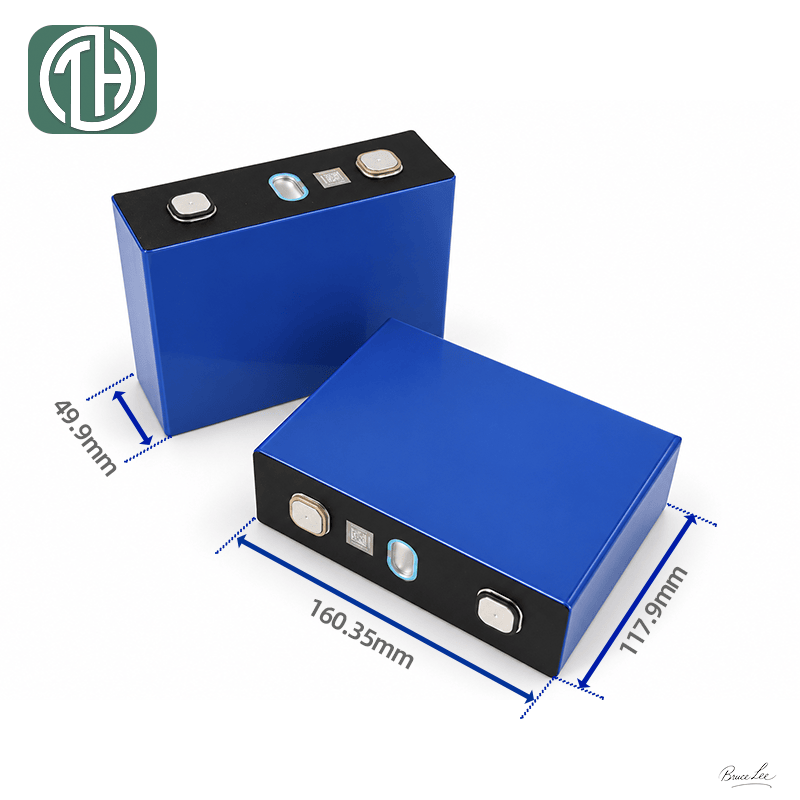
Позиционирование приложения
The RJE 102Ah cell is positioned for residential energy storage, solar battery modules, telecom backup batteries and other customized ESS packs. Its value lies in giving system designers a defined 102Ah building block while leaving the series configuration, BMS and enclosure to be matched to the project.
Коммерческая ценность
For buyers developing a storage battery, the cell combines useful per-cell energy with a space-conscious prismatic format. Confirm terminal details, dimensional tolerances and the applicable cycle-life test conditions before finalizing a module design.
Заключительное содержание LYTH
LYTH supports RJE cell sourcing, cell matching and customized battery module and PACK integration. Share your target voltage, capacity and application requirements so the cell and system design can be evaluated together.