После посещения SNEC 2026 в Шанхае, одно сообщение явно выделялось: индустрия хранения энергии больше не конкурирует только за счет аппаратного обеспечения.
За последние несколько лет, отрасль уделяет большое внимание емкости аккумуляторных элементов, размер контейнера, масштаб производства, и снижение затрат. Эти факторы по-прежнему имеют значение, но их уже недостаточно для определения долгосрочной конкурентоспособности.. Через выставочный зал, стало ясно, что хранение энергии вступает в новую фазу, обусловленную системной интеграцией., программный интеллект, и полный жизненный цикл управления энергопотреблением.
Одно из самых заметных изменений в SNEC 2026 рост числа крупных компаний, выходящих на рынок хранения данных. Солнечные бренды, производители аккумуляторов, поставщики силовой электроники, и диверсифицированные промышленные группы расширяют свои портфели систем хранения энергии.. Эта тенденция показывает, что системы хранения данных больше не рассматриваются как вспомогательная категория продуктов.. Он становится одним из наиболее стратегически важных секторов глобального энергетического перехода..
Поскольку на рынок выходит все больше крупных игроков, конкуренция, естественно, усилится. Но дело не только в ценовом давлении. Это также означает более быструю итерацию продукта., более сильные цепочки поставок, и более высокие ожидания со стороны разработчиков проектов и конечных пользователей. Рынок взрослеет, и эта зрелость поднимает планку для всех участников.
Еще один важный сдвиг, видимый в SNEC 2026 это конец эры единой «стандартной ячейки». В течение определенного периода времени, аккумулятор емкостью 314 Ач стал основным ориентиром для крупномасштабных систем хранения данных.. В этом году, однако, отрасль продемонстрировала более диверсифицированное направление. Производители в настоящее время внедряют элементы большей емкости и несколько технических решений, предназначенных для повышения плотности энергии., сократить затраты на уровне системы, и повысить ценность жизненного цикла.
Та же тенденция наблюдается и на системном уровне.. Хотя в предыдущем цикле широко обсуждались контейнеры для хранения мощностью 5 МВтч., 6.25Системы МВтч в настоящее время привлекают внимание как следующий эталон для приложений коммунального масштаба.. Сообщение ясно: отрасль оптимизирует не только отдельные компоненты, но производительность и экономика всей системы.
В то же время, Распределенное хранение энергии набирает обороты. В предыдущие годы, Основное внимание было сосредоточено на коммунальных и коммерческих & промышленные проекты. В СНЭК 2026, однако, микросети, общественное хранилище, и приложения для трансформаторных площадей вызывают растущий интерес. Это отражает более широкий рыночный сдвиг в использовании хранилища..
Хранение энергии все чаще используется не просто как резервная емкость или оборудование для снижения пиковых нагрузок., но как часть более интеллектуальной энергетической архитектуры. Он становится платформой, которая координирует солнечную генерацию., аккумулятор для хранения, местные нагрузки, и взаимодействие с сетью гибким способом. По мере расширения электрификации и повышения устойчивости местной энергетики, Ожидается, что приложения распределенного хранения станут важной частью будущих энергосистем..
Пожалуй, самый важный вывод из SNEC 2026 это системы энергоменеджмента, или EMS, перемещаются в центр конкуренции. Поскольку оборудование становится более стандартизированным, программное обеспечение становится ключевым отличием. В проекте могут использоваться высококачественные ячейки, надежное оборудование ПКС, и продвинутые шкафы, но без интеллектуального управления EMS, он все еще может не принести сильной экономической отдачи.
Сегодня, успех проекта зависит не только от установленной мощности. Это зависит от того, сможет ли система точно прогнозировать нагрузку., оптимизировать стратегии зарядки и разрядки, поддержка торговли энергией, включить арбитраж пиковой долины, и эффективно взаимодействовать с сеткой. Другими словами, прибыльность все больше зависит от интеллекта.
СНЭК 2026 показало, что индустрия хранения энергии вступает в новую эру. Рынок выходит за рамки подхода, ориентированного только на аппаратное обеспечение, и переходит к более интегрированной модели, в которой проектирование систем, возможности программного обеспечения, и операционная стратегия имеют такое же значение, как размер или стоимость батареи.
Будущее хранения энергии будет принадлежать не только компаниям, которые смогут создавать аккумуляторы, но тем, кто может управлять энергией более разумно, более эффективно, и выгоднее.
 Русский
 English
 Français
 Deutsch
 Italiano
 Español
 Запуск TECTRANS II от CATL показывает, почему коммерческие аккумуляторные блоки начинаются с рабочего цикла
 Готовность паспорта батареи для модулей и пользовательских ПАКЕТОВ
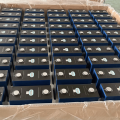 ЛИТ Корабли 16,000 Аккумуляторные элементы CALB 314 Ач в Европу
 587Средства массового производства элементов Ah для покупателей аккумуляторных модулей и блоков
 Интеграция двухкластерного хранилища: Сокращение затрат на оборудование или реальная электрическая архитектура?