Nel mese di agosto 26, 2026, Hyundai Motor Company ha annunciato di aver sviluppato internamente celle per batterie in grado di fornire più del doppio della potenza delle precedenti celle ad alto contenuto di nichel con 40% ricarica più veloce. La stessa tabella di marcia ha introdotto anche la protezione termica contro la fuga, una tecnologia di sicurezza intesa a bloccare il trasferimento di calore alle celle adiacenti, e una strategia BMS basata su cloud progettata per rilevare anomalie cellulari in tempo reale.
Per produttori di moduli batteria e PACK personalizzati, il segnale importante non è semplicemente che una casa automobilistica sta migliorando le prestazioni della batteria. Il segnale più profondo è che i requisiti di sicurezza stanno diventando sempre più integrati. Si prevede ora che un pacco batteria coordinerà la chimica delle cellule, barriere fisiche, dissipazione termica, Monitoraggio del BMS, e risposta guidata dal software. Se uno di questi strati è debole, il resto del gruppo potrebbe ancora essere a rischio.
La fuga termica è un evento a livello di cella che può diventare un guasto a livello di pacco quando il calore si diffonde da una cella alle celle vicine. Hyundai afferma che il suo approccio TRP combina il design del pacco di dissipazione del calore con strutture barriera tra le celle. Ciò rafforza un principio di progettazione che si applica ben oltre il marchio di un veicolo: un modulo o un PACK dovrebbe essere valutato per come si comporta dopo un evento anomalo della cella, non solo durante la normale carica e scarica.
Il livello BMS è altrettanto importante. Il rilevamento delle anomalie in tempo reale può aiutare a identificare i primi segnali di allarme prima che un guasto si trasformi in un problema di servizio o di sicurezza. però, Le dichiarazioni sui BMS basati su cloud devono essere lette attentamente. Gli acquirenti devono confermare ciò che viene gestito localmente dal BMS, ciò che viene analizzato a distanza, quali dati sono a disposizione dell'operatore, e come gli avvisi si traducono in una limitazione dei costi, bilanciamento, Manutenzione, o comportamento di spegnimento.
Per progetti PACK personalizzati, questo crea una lista di controllo ingegneristica più disciplinata. L'acquirente deve confermare il formato della cella, disposizione serie-parallelo, isolamento, protezione sbarre, posizionamento del sensore di temperatura, metodo di bilanciamento, ventilazione dell'involucro, materiali di interfaccia termica, e registrazioni di test. Ricarica rapida, elevata potenza in uscita, e la struttura compatta del pacco aumentano la necessità di un coordinamento termico ed elettrico più stretto.
Vista LYTH:
La direzione del settore è chiara: La sicurezza del pacco batteria non è più una decisione che riguarda un singolo componente. Un design PACK credibile deve mostrare come la cellula, I terminali “+” e “-” sono dotati di copertura di protezione dell'isolamento, struttura meccanica, percorso termale, e il flusso di lavoro di convalida lavorano insieme. LYTH dovrebbe considerare l’annuncio di Hyundai come un utile punto di riferimento ingegneristico, evitando qualsiasi affermazione che la stessa tecnologia sia disponibile nei prodotti LYTH a meno che non sia validata progetto per progetto.
Cosa può fare LYTH:
LYTH può supportare moduli batteria e progetti PACK personalizzati tramite la conferma del modello di cella, revisione del layout del modulo, Discussione sull'adattamento del BMS, coordinamento termico/sicurezza, e controlli di corrispondenza delle applicazioni. Per modulo EV, mobilità, telecom, e progetti di stoccaggio della luce, LYTH può aiutare gli acquirenti a definire i requisiti pratici di convalida prima della produzione.
Fonti: Annuncio ufficiale di Hyundai Motor, Copertura centrale EV


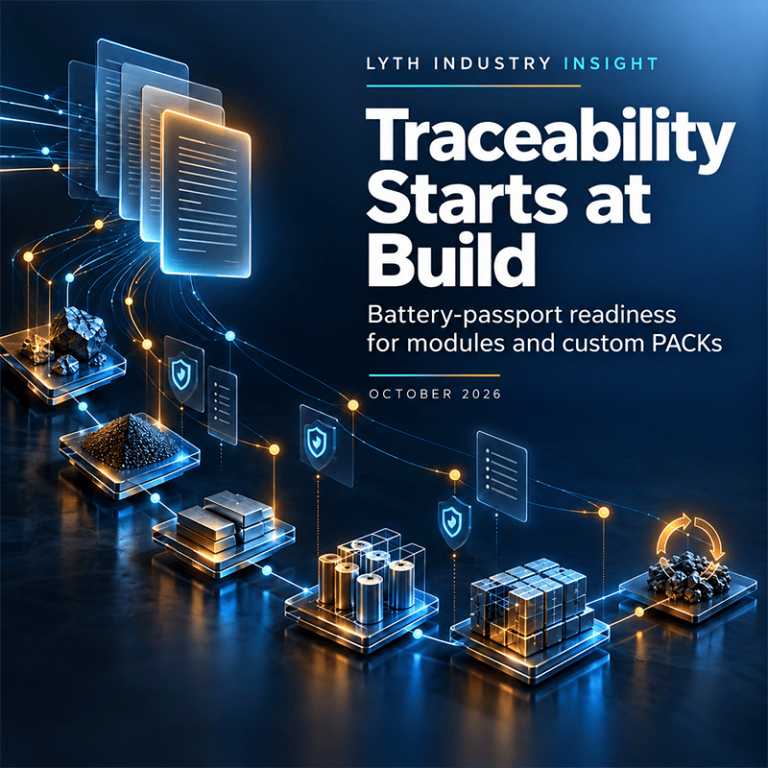 Predisposizione per il passaporto della batteria per moduli e PACK personalizzati
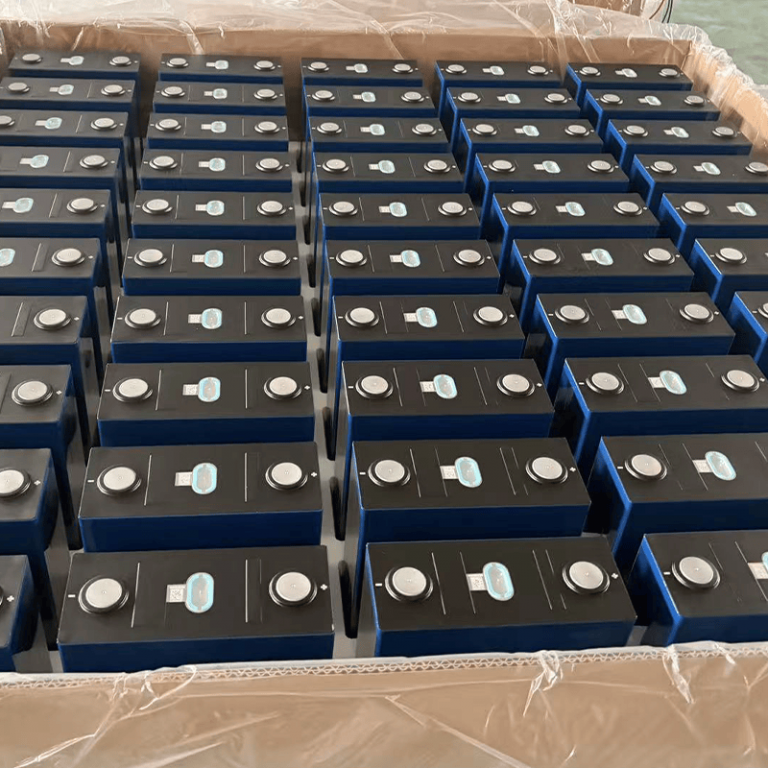 Navi LYTH 16,000 Celle batteria CALB 314Ah per l'Europa
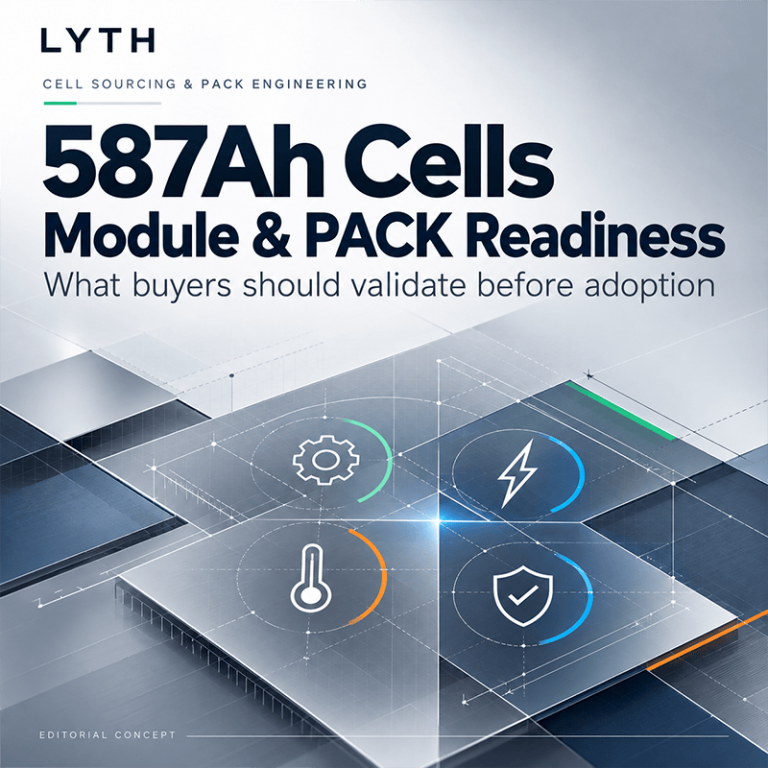 587Mezzi di produzione di massa di celle Ah per gli acquirenti di moduli batteria e PACK
 Integrazione dello storage a doppio cluster: Riduzione dei costi hardware o vera architettura elettrica?
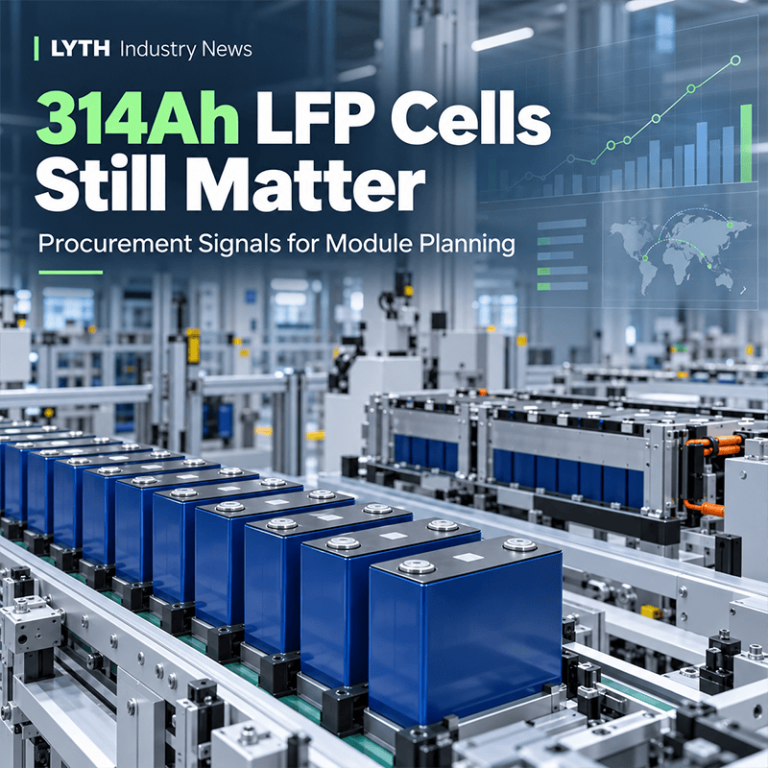 314Le celle Ah LFP sono ancora importanti per la pianificazione dei moduli batteria