CATL a déclaré en juillet 12, 2026 qu'il a reçu le 2026 Volkswagen Group Award et a été le seul fabricant de batteries de puissance récompensé cette année. La société a également profité de cette annonce pour réitérer plusieurs points importants pour les acheteurs de batteries.: elle fournit des cellules de batterie NCM pour la plateforme MEB de Volkswagen depuis 2018, il a livré plus de 200 GWh de cellules au groupe au total, et le partenariat s’étend désormais à la production en série de la cellule unifiée de Volkswagen.
Pour le public cible de LYTH, il s’agit d’un signal de marché utile car il renforce la valeur de l’approvisionnement en batteries lié à une plateforme. En Europe, les acheteurs accordent une plus grande attention non seulement à la chimie ou au prix, mais à savoir si une source de cellules s'aligne sur les architectures de véhicules connues, logique d'emballage, et continuité de la plateforme à plus long terme. Cela rend la conversation sur la batterie spécifique au modèle et à la plate-forme plus importante que le positionnement générique de la « batterie EV ».
Volkswagen a déjà décrit la cellule unifiée comme une orientation majeure en matière de normalisation dans sa feuille de route pour les véhicules électriques.. Quand une relation fournisseur se développe dans ce contexte, cela suggère que la compatibilité, discipline d'exécution, et la préparation à la fabrication ont plus de poids dans les discussions sur les achats. Pour les développeurs de modules, PACK constructeurs, et équipes de projet aftermarket, cela affecte la façon dont ils évaluent les voies de remplacement, communication technique, et risque d'approvisionnement ultérieur.
La leçon pratique est simple. L’approvisionnement en batteries est de plus en plus lié à la logique de la plateforme. Les acheteurs travaillant autour de systèmes liés au MEB ou de futures architectures standardisées ont besoin d'une cartographie plus claire entre les modèles de cellules., format des modules, disposition électrique, et adaptation au niveau du pack.
Voir LYTH: Les actualités les plus utiles sur la chaîne d'approvisionnement sont celles qui aident les clients à affiner plus rapidement leurs décisions.. La continuité de la plateforme est importante car elle réduit l'ambiguïté dans la sélection des modules, hypothèses d'emballage, et coordination de l'ingénierie.
Ce que LYTH peut faire: LYTH peut prendre en charge les discussions sur l'approvisionnement en cellules de batterie liées aux exigences de la plate-forme EV, personnalisation du module de batterie, adaptation mécanique et électrique, coutume PACK intégration, Prise en charge des communications GTB, et coordination de l'ingénierie pour les projets qui nécessitent un alignement plus clair du modèle à l'application.
Sources:
Sortie officielle de CATL, juillet 12, 2026
Aperçu de la technologie des batteries du groupe Volkswagen
 Français
 English
 Deutsch
 Italiano
 Русский
 Español
 Le lancement de TECTRANS II de CATL montre pourquoi les packs de batteries commerciaux commencent par le cycle de service
 Préparation au passeport de batterie pour les modules et les packs personnalisés
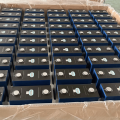 Navires LYTH 16,000 Cellules de batterie CALB 314Ah vers l’Europe
 587Moyens de production de masse de cellules Ah pour les acheteurs de modules de batterie et de PACK
 Intégration du stockage à double cluster: Réduction des coûts matériels ou véritable architecture électrique?