Обновленное правило безопасности аккумуляторов электромобилей в Китае вступило в силу в июле 1, 2026. Для поставщиков аккумуляторных модулей и ПАКЕТОВ, изменение – это не просто новости регулирования, но практический проектный сигнал по контролю распространения тепла, структурная защита, и рабочий процесс проверки.
Официальный основной текст на английском языке
Обязательный стандарт Китая GB 38031-2025, официально названный Требования безопасности к аккумуляторным батареям, используемым в электромобилях., вступил в силу июль 1, 2026. Согласно национальной платформе стандартов и отчету Синьхуа, опубликованному перед внедрением., обновленное правило усиливает ожидания в отношении безопасности аккумуляторов как на уровне ячеек, так и на уровне PACK или системы..
Ключевым сдвигом является более строгий подход к риску теплового распространения.. В отраслевых отчетах о внедрении отмечается, что стандарт поднимает планку от предупреждения перед возгоранием или взрывом до более строгих требований отсутствия возгорания и взрыва при соответствующих условиях испытаний., при этом все еще требуется возможность сигнализации. В обновленную структуру также добавлены испытания на удар о дно и проверка безопасности после повторных циклов быстрой зарядки., что имеет значение, поскольку более высокая скорость взимания платы становится все более распространенной..
Для покупателей и инженерных команд, это значимый рыночный сигнал. Это говорит о том, что одного выбора аккумулятора уже недостаточно.; структура модуля, стратегия изоляции, вентиляционный путь, сенсорный макет, структурное усиление, и планирование валидации требуют более тесной координации. На практике, проекты, которые когда-то были сосредоточены главным образом на плотности энергии или стоимости, теперь нуждаются в более убедительных доказательствах архитектуры безопасности и конструкции, подходящей для применения..
Для компаний, работающих над модулями и индивидуальными ПАКАМИ, коммерческий смысл очевиден: разговоры о разработке продвигаются раньше к обеспечению готовности к соблюдению требований, проектные поля, и тест-ориентированные инженерные решения. Это создает пространство для технически надежных партнеров, которые могут объединить поиск элементов сотовой связи с практической адаптацией модулей и ПАКЕТОВ..
ЛИТ Вью
Для ЛИТА, этот стандарт подтверждает простую мысль: безопасность аккумуляторов все чаще решается на уровне интеграции, не только на клеточном уровне. Покупатели будут уделять больше внимания тому, как элементы сочетаются с модулями и ПАКЕТАМИ., как изолируется термический риск, и как окончательный проект обеспечивает технологичность и проверку.
Что может сделать ЛИТ
LYTH может поддерживать сопоставление моделей ячеек, обсуждение структуры модуля, согласование дизайна индивидуальной УПАКОВКИ, BMS и сенсорная адаптация, и ранний анализ приоритетов проектирования тепловой/безопасности на основе целевого применения. Это особенно актуально для модульных проектов, связанных с электромобилями., аккумуляторные блоки специального назначения, и конструкции аккумуляторов, которым требуется более тщательное инженерное согласование перед подтверждением образца.


 Интеграция двухкластерного хранилища: Сокращение затрат на оборудование или реальная электрическая архитектура?
 314Элементы Ah LFP по-прежнему важны для планирования аккумуляторных модулей
 Локализация аккумуляторов LFP в Европе и планирование модулей
 Аккумуляторы AI для коммерческих электромобилей: Какие изменения в чувствительности на уровне клеток для интеграции
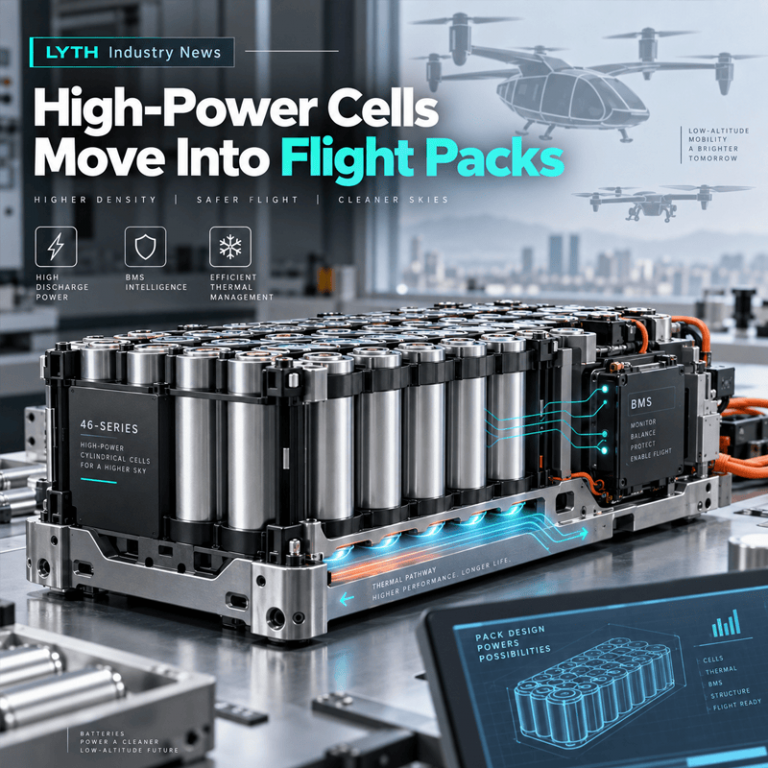 Мощные элементы перемещаются в летные ранцы: Что требуется от маловысотных батарей помимо емкости