SU July 1, 2026, Aggiornato lo standard di sicurezza obbligatorio per le batterie dei veicoli elettrici in Cina, GB 38031-2025, entrato formalmente in vigore. I rapporti ufficiali e attribuibili sull’implementazione si sono concentrati su aspettative di sicurezza più forti a livello del sistema di batterie, compresa una maggiore attenzione al controllo degli eventi termici e una logica di convalida più impegnativa.
Per l'industria delle batterie, questo è importante perché la pressione di compliance non si ferma alla cella. Anche quando la piattaforma cellulare è fissa, il risultato finale in termini di sicurezza dipende fortemente dalla disposizione del modulo, isolamento strutturale, strategia di compressione, percorso delle sbarre, progettazione di ventilazione, barriere alla propagazione termica, e coordinamento del BMS. In pratica, ciò significa che gli sviluppatori di moduli e PACK devono affrontare un onere maggiore per dimostrare che l'architettura di sicurezza non è solo teoricamente valida, ma anche ripetibile in produzione.
Questo cambiamento è importante soprattutto per i progetti di conversione dei veicoli elettrici, piattaforme per la mobilità leggera, elettrificazione industriale, e gruppi di batterie specifici per l'applicazione in cui lo spazio è limitato e il lavoro di adattamento è inevitabile. È probabile che gli acquirenti facciano domande più dettagliate sulla corrispondenza tra modulo e confezione, materiali di interfaccia termica, progettazione del recinto, logica di risposta al guasto, e il percorso ingegneristico dalla convalida del campione alla creazione in batch.
Per produttori e partner di approvvigionamento, l'implicazione commerciale è chiara: il business delle batterie si sta allontanando sempre più dal semplice commercio di componenti e si sta avvicinando alla consegna supportata dall’ingegneria. Aziende in grado di coordinare la selezione delle cellule, progettazione del modulo, Struttura del PACCHETTO, e la comunicazione di convalida sarà in una posizione più forte rispetto ai fornitori che offrono solo specifiche elettriche nominali.
Per LYTH, l'opportunità non è quella di rivendicare la capacità di certificazione dell'intero veicolo, ma per aiutare i clienti a ridurre prima il rischio di integrazione. Nel mercato attuale, ciò significa una comunicazione tecnica più chiara, migliore supporto all’adattamento, e uno sviluppo di moduli/PACK più disciplinato attorno ai vincoli applicativi reali.
Vista LYTH
Il luglio 1 implementazione di GB 38031-2025 è un segnale ingegneristico, non solo un titolo normativo. Gli acquirenti apprezzeranno sempre più i fornitori in grado di collegare l’approvvigionamento delle celle con la struttura di sicurezza dei moduli, Logica di integrazione PACK, e supporto pratico per l'adattamento.
Cosa può fare LYTH
LYTH può supportare i clienti con la corrispondenza delle celle della batteria, discussione sullo sviluppo del modulo, coordinamento della struttura PACK personalizzata, Comunicazione di adattamento del BMS, e configurazione della batteria orientata all'applicazione per progetti che necessitano di un percorso più disciplinato dalla revisione del progetto alla consegna producibili.


 Integrazione dello storage a doppio cluster: Riduzione dei costi hardware o vera architettura elettrica?
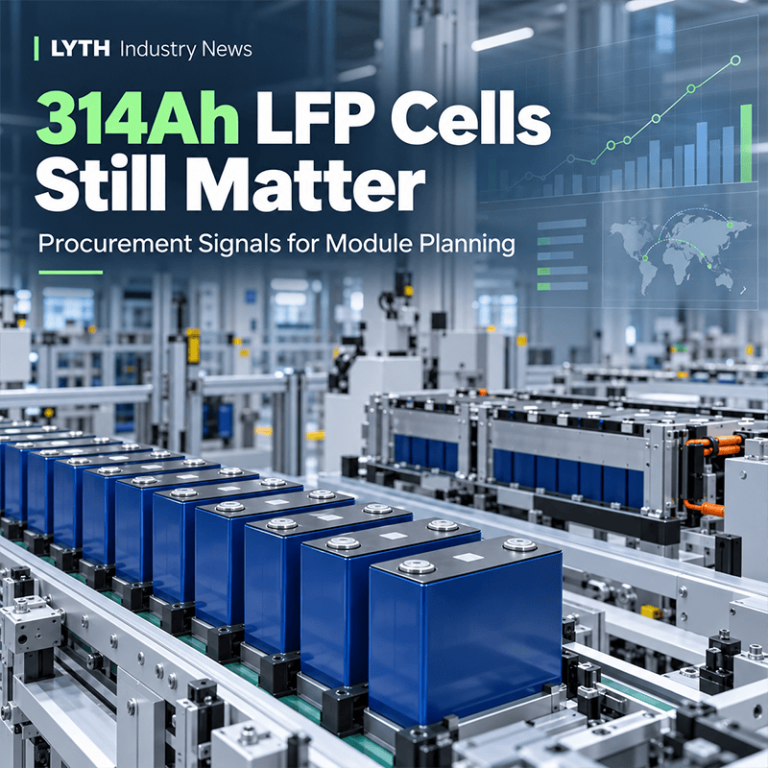 314Le celle Ah LFP sono ancora importanti per la pianificazione dei moduli batteria
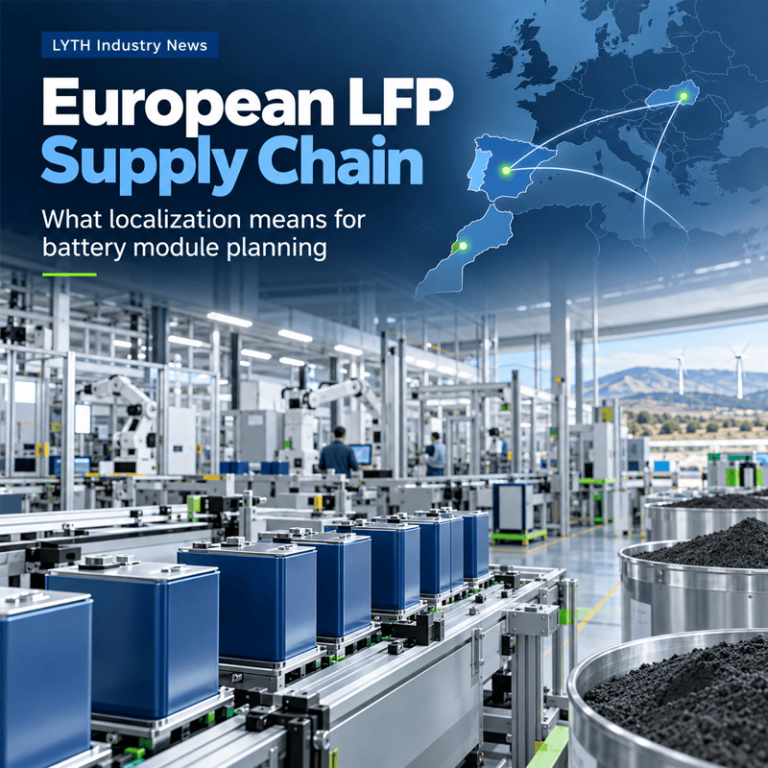 Localizzazione europea delle batterie LFP e pianificazione dei moduli
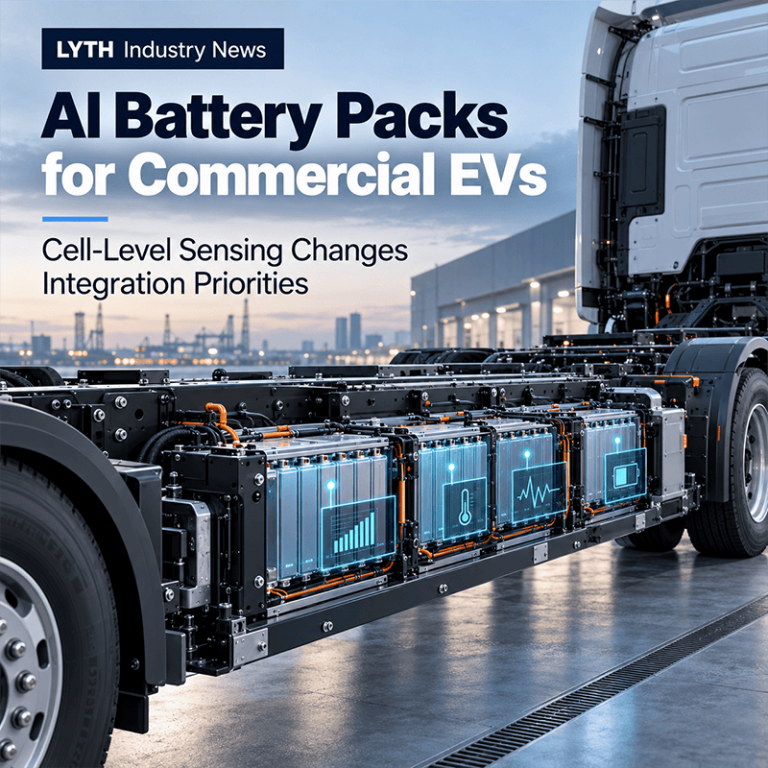 Pacchi batterie AI per veicoli elettrici commerciali: Cosa cambia il rilevamento a livello cellulare per l'integrazione
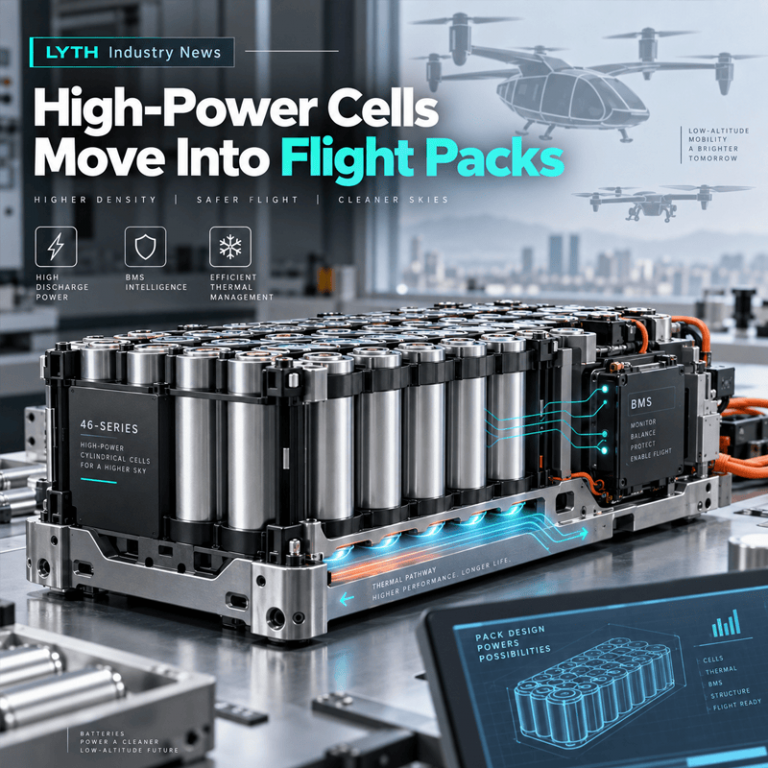 Le celle ad alta potenza si spostano nei pacchi di volo: Cosa richiedono le batterie a bassa quota oltre la capacità