China’s battery industry is entering a new cost-adjustment phase. Under the official policy released on mes de julio 16, 2026, lithium primary batteries and lithium-ion batteries will be subject to a 2% consumption tax from September 1, 2026, with the rate scheduled to rise to 4% from September 1, 2027. Al mismo tiempo, battery export rebate support has already been reduced earlier this year, and is set to be canceled from enero 1, 2027.
For the market, this is not just a tax headline. It is a signal that future battery pricing may become less stable, especially as suppliers, module makers, and PACK integrators begin adjusting quotations around cost pressure, inventory, and delivery timing.
Analysis
En términos prácticos, the impact will not appear in exactly the same way across every battery project.
For domestic business, the new consumption tax is likely to create direct upward pressure on lithium battery pricing. Even if some suppliers absorb part of the cost in the short term, it is difficult for the market to keep prices unchanged indefinitely once tax, margin, and raw-material pressure begin to overlap.
For export business, the situation is more layered. The new consumption tax matters, but the more immediate pressure in many cases may still come from the export rebate reduction and the planned cancellation of the rebate next year. This means buyers may increasingly see shorter quote-validity periods, more cautious price commitments, and greater sensitivity around shipment timing.
For battery modules and custom PACK projects, the message is especially clear: projects that are planned early will usually have more pricing stability than projects that wait until cost pressure is already fully visible in the market.
Our Recommendation
En LYTH, we believe this is the right time for customers to move from “watching the market” to “planning ahead.”
Our recommendation is straightforward:
- confirm core cell, módulo, or PACK models earlier
- lock project schedules sooner where demand is already clear
- review alternative sourcing options before pricing tightens
- avoid leaving volume decisions too close to delivery windows
Earlier planning does not only help control cost. It also improves production coordination, lead-time visibility, and engineering communication.
For customers with ongoing or upcoming battery projects, a more proactive sourcing timeline will likely be the best defense against later price increases.
Ver
A changing policy environment does not automatically create disruption, but it does reward buyers who prepare earlier. In the months ahead, timing may become just as important as price.
Fuentes
State Taxation Administration policy notice on battery consumption tax, mes de julio 16, 2026
Official notice on export rebate adjustment for battery products, enero 8, 2026


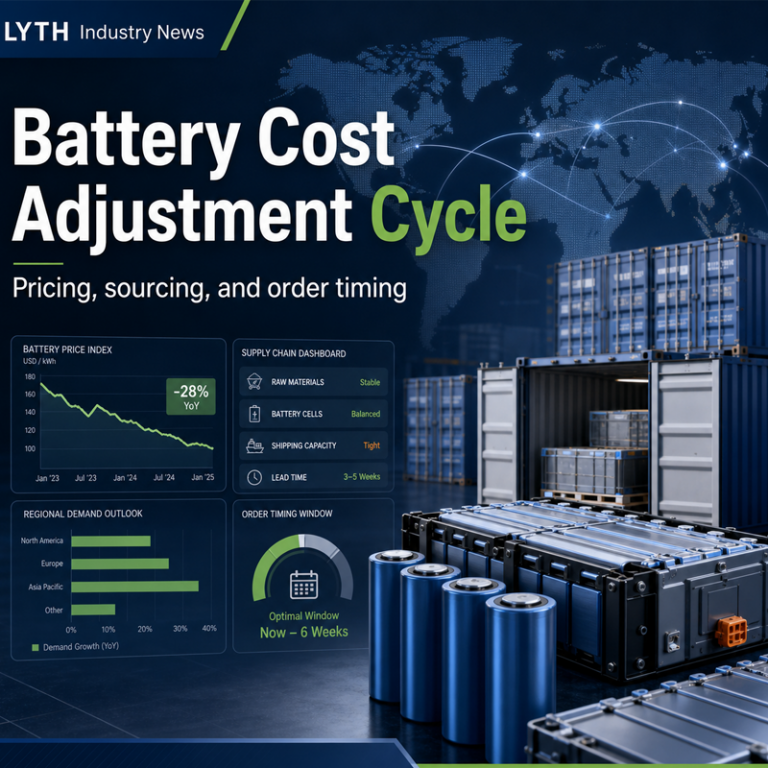 El ciclo de ajuste del costo de las baterías de China se está convirtiendo en una verdadera señal de abastecimiento
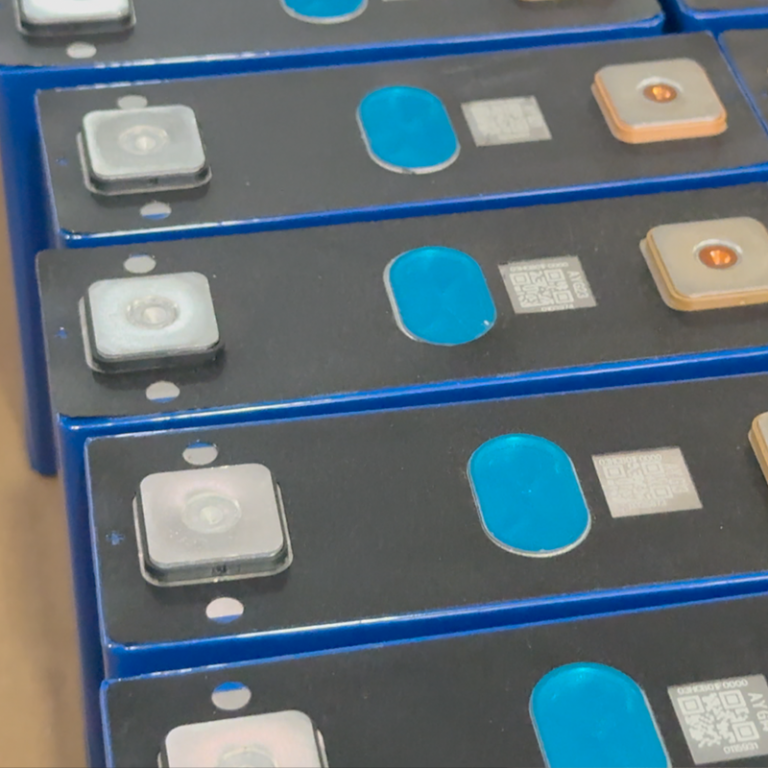 LYTH enviado 12,000 Unidades de celdas de batería Gotion 104Ah LiFePO4
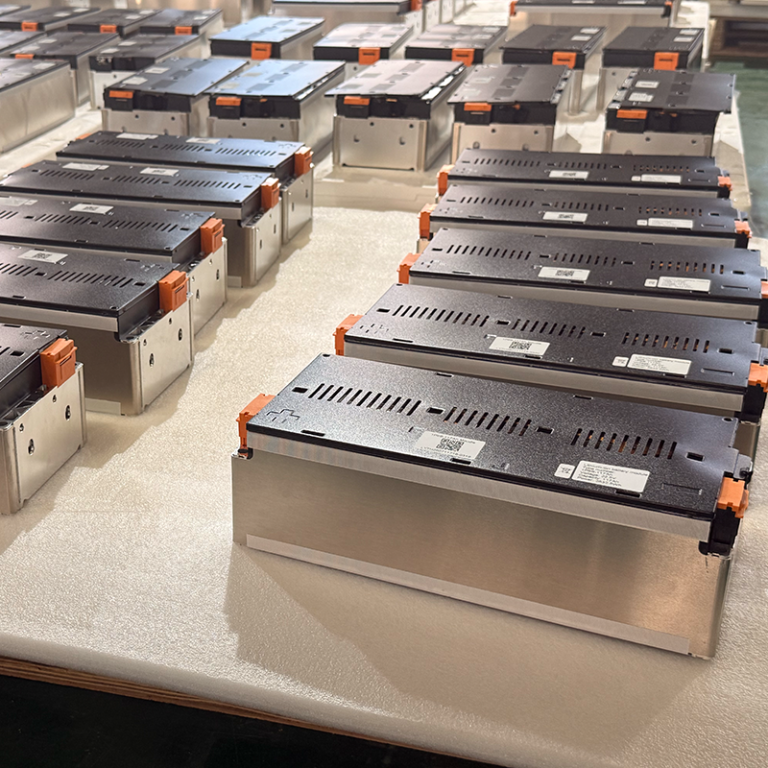 Entrega de otro módulo completada: 1,800 Unidades de Módulos de Batería NMC 1P6S 117Ah VDA355
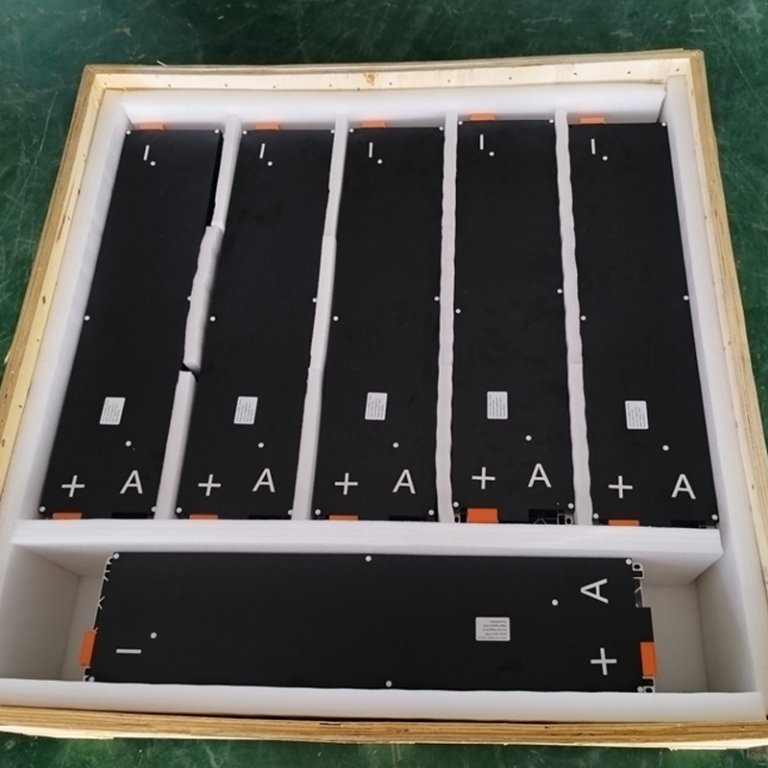 LYTH enviado 200 Juegos de módulos de batería LFP 1P20S 125Ah
 CATL y Volkswagen amplían la señal de suministro de células unificadas