На Август 6, 2026, SVOLT сообщила, что в первом полугодии ее глобальная мощность аккумуляторной установки достигла 15,7 ГВтч., с годовым ростом выше рынка в целом. Компания также сослалась на последние сигналы о продуктах и процессах, в том числе о прогрессе в производстве аккумуляторов с короткими лопастями., планирование гибридной твердожидкостной технологии, улучшения процесса штабелирования, рост поставок за границу, и расширение новых приложений.
Самый полезный урок для покупателей модулей заключается не в том, что один формат подойдет для каждого проекта.. Дело в том, что аккумуляторные платформы для электромобилей становятся более специализированными.. Модуль выбран для одного автомобиля, модернизировать, мобильная платформа, или проект промышленной электрификации по-прежнему требует проверки окна напряжения, макет упаковки, точки крепления, путь охлаждения, конструкция изоляции, логика связи, и безопасное поведение.
Батарейный модуль — это инженерный мост между элементом и готовым ПАКЕТОМ.. Даже если химический состав или емкость ячейки выглядят привлекательно, модуль должен соответствовать механическому пространству приложения, профиль разряда, лимиты начисления, термальный маршрут, вибрационная среда, и стратегия BMS. Это особенно важно для покупателей, сравнивающих такие форматы, как модули с короткими лезвиями., модули призматических ячеек, Модули в стиле VDA, и макеты модулей, связанных с MEB.
Для международных покупателей, недавний сигнал SVOLT также показывает, что поставки становятся более глобальными и ориентированными на конкретные приложения.. Рост поставок за границу может улучшить доступ к передовым форматам ячеек и модулей., но это не отменяет необходимости выборочного тестирования, подтверждение рисунка, обзор шинопровода, проверка изоляции, и окончательная проверка. Коммерчески привлекательный модуль все равно может оказаться непригодным, если проект не сможет обеспечить его охлаждение., крепление, или требования к связи.
Для клиентов LYTH, Практический вывод — рассматривать выбор модулей как инженерное решение.. Прежде чем выбрать модуль, покупатели должны подтвердить целевое напряжение, вместимость, место для установки, текущий спрос, метод терморегулирования, необходимые сертификаты, условия доставки, и интерфейс BMS. Эти проверки снижают риск перепроектирования и помогают определить, является ли существующий модуль, модифицированный модуль, или собственный маршрут PACK более реалистичен.
ЛИТ Вью:
Новые сигналы питания аккумуляторов электромобилей поддерживают повышенный интерес к модульной конструкции аккумуляторов., но они также делают дисциплину совместимости более важной.. LYTH должен обсудить форматы модулей посредством проверки., приспособление, и технологичность, а не представление какого-либо формата как универсально взаимозаменяемого..
Что может сделать ЛИТ:
LYTH может поддерживать выбор модуля батареи электромобиля., Обсуждение модулей, связанных с VDA355 и MEB590, разработка индивидуального модуля, проверки наличия сотовой связи, Планирование интеграции ПАКЕТА, и BMS/тепловая координация на основе требований проекта и потребностей валидации..
Источники:
Официальный август SVOLT 6 обновлять
Индекс новостей официального сайта SVOLT


 Интеграция двухкластерного хранилища: Сокращение затрат на оборудование или реальная электрическая архитектура?
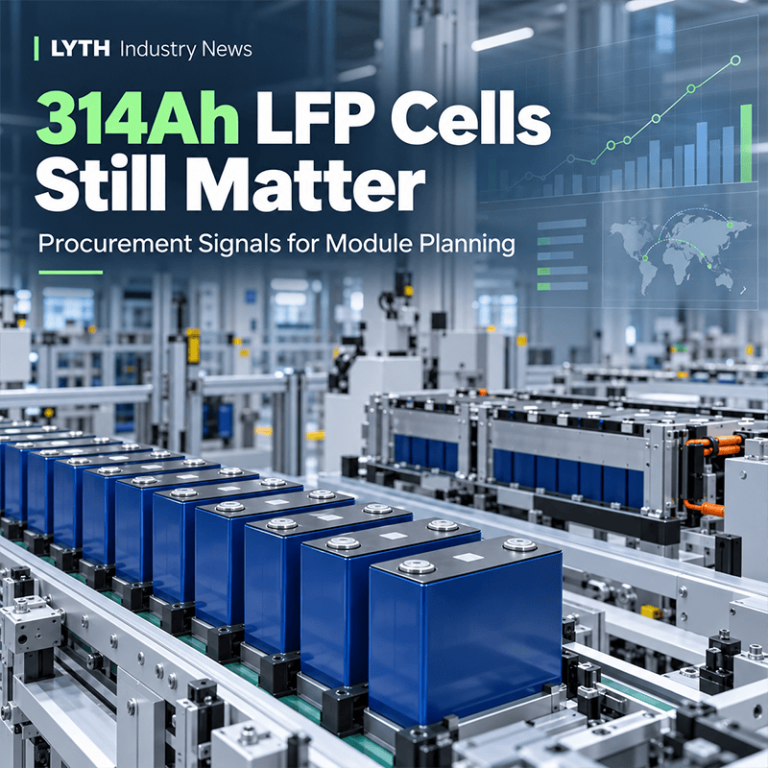 314Элементы Ah LFP по-прежнему важны для планирования аккумуляторных модулей
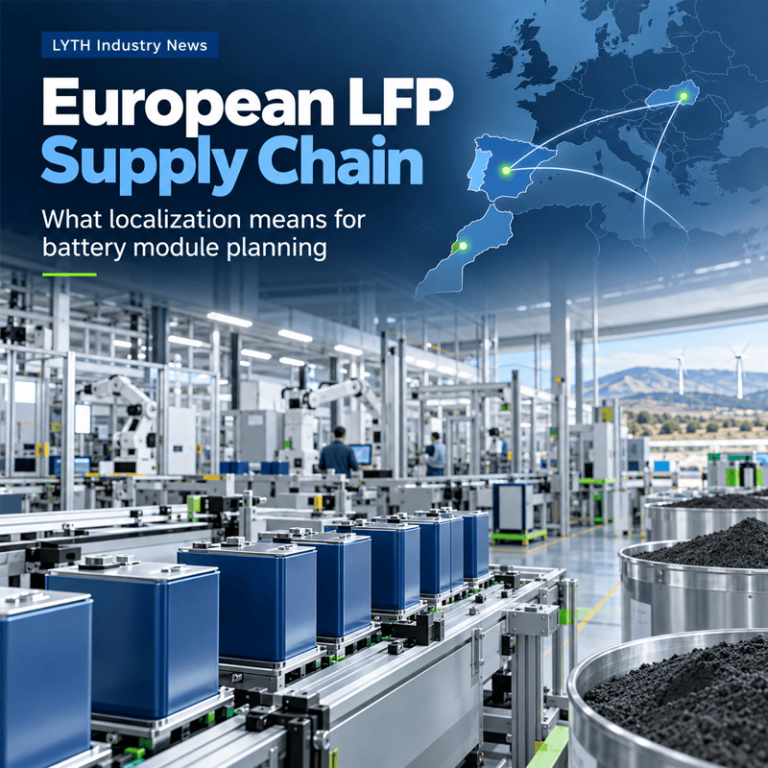 Локализация аккумуляторов LFP в Европе и планирование модулей
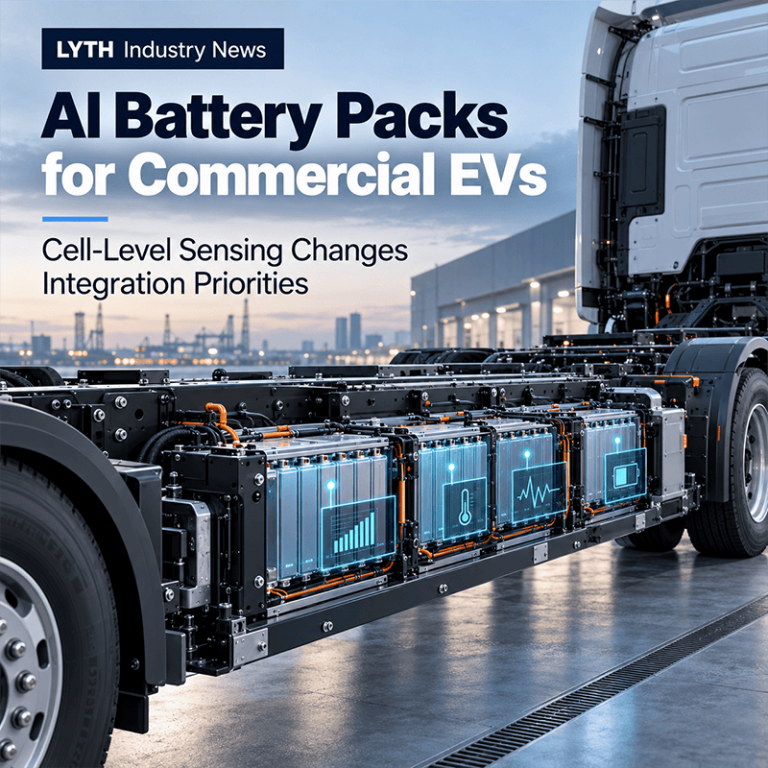 Аккумуляторы AI для коммерческих электромобилей: Какие изменения в чувствительности на уровне клеток для интеграции
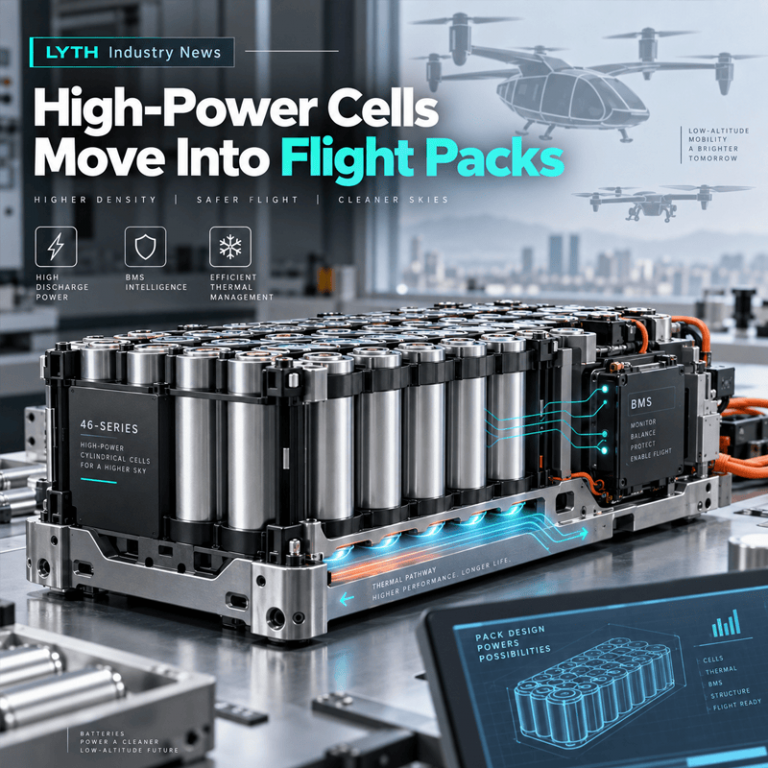 Мощные элементы перемещаются в летные ранцы: Что требуется от маловысотных батарей помимо емкости