en agosto 12, 2026, Pylontech anunció que dos estándares grupales para baterías de arranque de iones de sodio habían entrado formalmente en implementación.: T/CIAPS0054-2026, que cubren los requisitos técnicos de seguridad, y T/CIAPS0055-2026, Cubriendo requisitos de rendimiento y métodos de prueba.. Los estándares son administrados por la Asociación Industrial de Fuentes de Energía de China y se aplican a las celdas de iones de sodio utilizadas en fuentes de energía de arranque de alta velocidad para motocicletas., automóviles, motores de aceite, y aplicaciones similares.
La pregunta práctica para los compradores no es simplemente si la química de iones de sodio está “lista”. La mejor pregunta es si se ha validado una celda de iones de sodio específica y un diseño de PACK con respecto a la corriente inicial., rango de temperatura, perfil de carga, límites de seguridad, requisitos de comunicación, y entorno mecánico de la aplicación de destino.
Las baterías de arranque son diferentes de las baterías de respaldo ordinarias.. Deben entregar cortos, pulsos de alta potencia de forma fiable, a menudo a bajas temperaturas, mientras tolera eventos frecuentes de carga y descarga y condiciones térmicas o de vibración severas. Una celda que funciona bien en una prueba de ciclo de laboratorio aún necesita confirmación a nivel de aplicación antes de poder usarse en un PACK para generadores., vehículos pequeños, equipo de soporte de telecomunicaciones, o sistemas de arranque industriales.
Para la química de iones de sodio, el atractivo comercial es claro: diversificación de materiales, Ventajas potenciales de baja temperatura., e idoneidad para aplicaciones donde la densidad de energía extrema es menos importante que la potencia, estabilidad de costos, y comportamiento de seguridad. sin embargo, Estas ventajas son específicas del producto.. Un comprador no debe asumir que cada celda de iones de sodio superará automáticamente a la LFP o al plomo-ácido en condiciones de arranque en frío., aceptación de carga, tolerancia al abuso, o requisitos de transporte.
Los nuevos estándares son importantes porque crean un lenguaje más consistente para evaluar las células iniciales de iones de sodio.. Proporcionan a los ingenieros y equipos de adquisiciones una base más clara para preguntar a los proveedores sobre los métodos de prueba., comportamiento de descarga de alta velocidad, pruebas de abuso de seguridad, retención del rendimiento, etiquetado, embalaje, transporte, y almacenamiento. Esto es especialmente importante para el trabajo de PACK personalizado., donde el desempeño individual de una celda debe coordinarse con los umbrales de BMS, diseño de barras colectoras, estructura del recinto, caminos de calor, dimensionamiento del cable, fusionando, y compatibilidad del cargador.
Para la base de clientes de LYTH, la oportunidad inmediata es no exagerar la preparación para los iones de sodio. La oportunidad responsable es evaluar el ion sodio como una química candidata para aplicaciones pequeñas seleccionadas de PACK y potencia de arranque.. En muchos proyectos, Las células LFP maduras pueden seguir siendo la mejor opción debido al suministro establecido., registros de certificación, comportamiento conocido de BMS, y documentación de exportación predecible. En otros proyectos, Puede que valga la pena probar los iones de sodio cuando el funcionamiento a baja temperatura, rendimiento de pulso de alta frecuencia, o la diversificación material es una prioridad.
Por lo tanto, los compradores deben comenzar con el perfil de la aplicación.. Corriente de arranque requerida, duración del pulso, temperatura ambiente mínima, fuente de carga, ciclo de trabajo, tamaño del gabinete, exposición a vibraciones, interfaz de comunicación, ruta de certificación, y el destino del envío debe confirmarse antes de la selección de la celda. Sólo después de esto el proveedor debe comparar las cantidades de iones de sodio., LFP, y otras opciones de química.
Ver
Los estándares para las baterías de arranque de iones de sodio son una señal de que el mercado está cada vez más impulsado por la ingeniería.. Para pequeños compradores de PACK, el paso clave es pasar del interés por la química a la disciplina de validación: datos celulares, Configuración de BMS, comportamiento térmico, pruebas de seguridad, y los requisitos reales de la aplicación deben comprobarse juntos.
Qué puede hacer LYTH
LYTH puede respaldar la comparación química a nivel de proyecto, comprobaciones de abastecimiento de celdas de batería, discusión sobre el diseño de PACK personalizado, Adaptación BMS, Coordinación térmica y de seguridad., y revisión de viabilidad en etapa de muestra para aplicaciones pequeñas de PACK y de energía de respaldo, sujeto a datos celulares validados y requisitos del cliente.
Fuentes
Índice oficial de noticias de Pylontech
Anuncio de normas del grupo CIAPS
Informe de estándares de iones de sodio de Pylontech a través de Solarbe
Cobertura del proyecto de iones de sodio de 2GWh de Pylontech a través de OFweek


 Integración de almacenamiento de clúster dual: Reducción de costes de hardware o arquitectura eléctrica real?
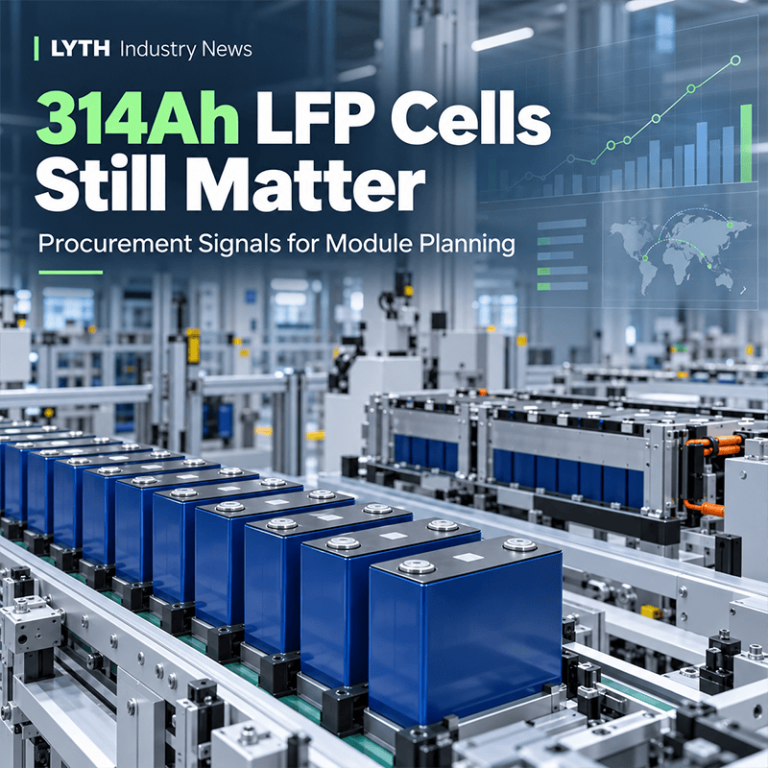 314Las celdas Ah LFP siguen siendo importantes para la planificación de módulos de batería
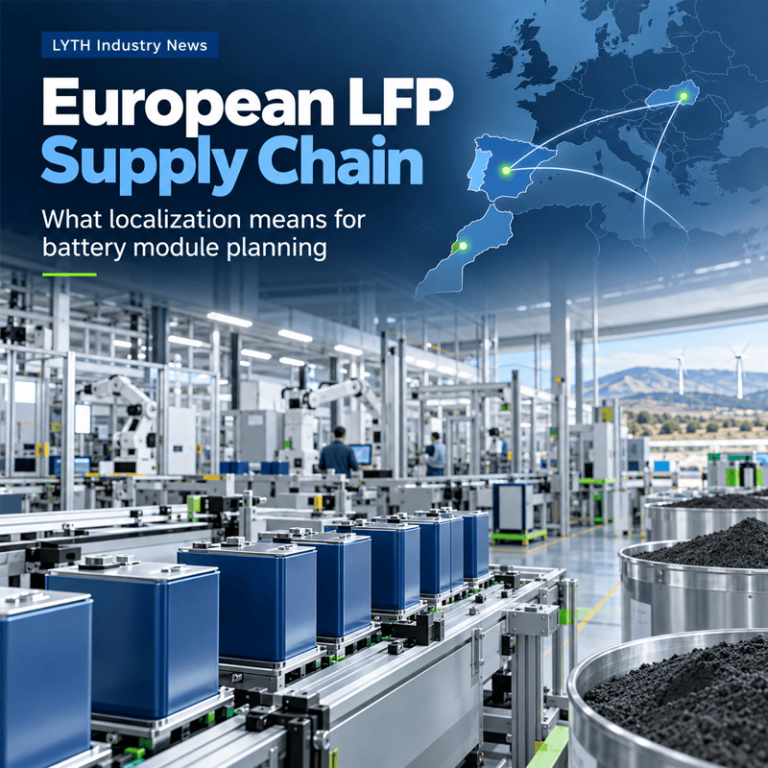 Localización de baterías LFP europeas y planificación de módulos
 Paquetes de baterías de IA para vehículos eléctricos comerciales: Qué cambia la detección a nivel celular para la integración
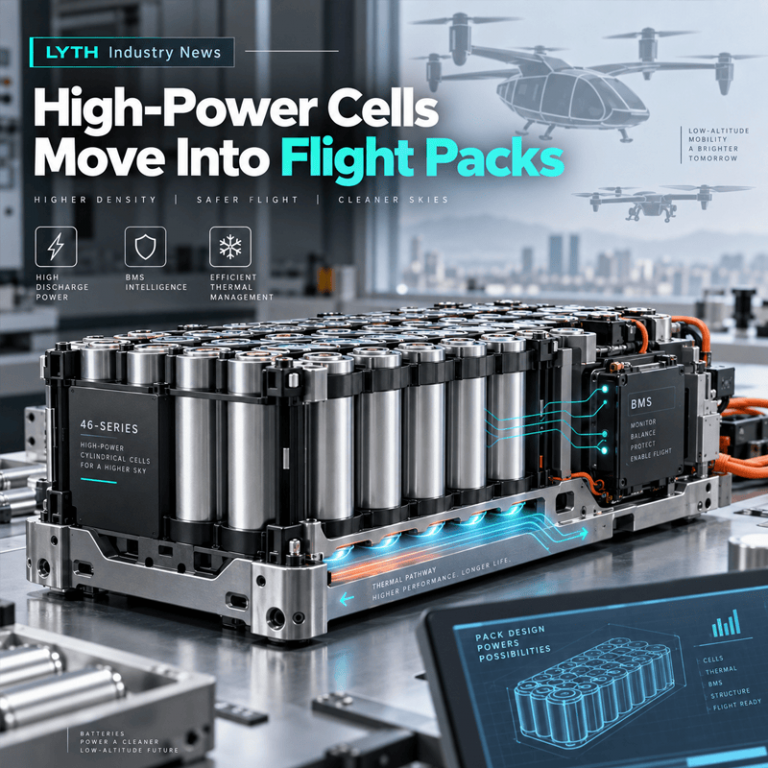 Las células de alta potencia se trasladan a paquetes de vuelo: Lo que requieren las baterías de baja altitud más allá de la capacidad