en agosto 6, 2026, OFweek informó que BAK Battery lanzó una celda LFP prismática de 85 Ah para aplicaciones de almacenamiento de energía AIDC.. El informe describió la celda como diseñada para descargas de alta velocidad., baja resistencia interna, respuesta de pulso rápido, y cobertura de certificación de seguridad, incluidas UL9540A y UL1973. También afirmó que el producto ha entrado en producción en masa..
respuesta directa: una celda de alta velocidad orientada a AIDC cambia el diseño del PACK porque la batería debe soportar una demanda repentina de energía, no sólo una larga duración de la copia de seguridad. impedancia celular, generación de calor, Velocidad de muestreo BMS, resistencia de contacto, lógica de protección, y el flujo de aire o la refrigeración del gabinete se convierten en parte de la combinación de aplicaciones.
Esto es importante porque los centros de datos de IA y las cargas informáticas de alta densidad pueden crear fluctuaciones de energía más rápidas y agudas que las aplicaciones tradicionales en espera.. Es posible que una batería de respaldo utilizada en este contexto deba entregar una potencia de pulso fuerte., mantener el voltaje estable, y evitar el aumento excesivo de calor durante eventos repetidos de alta corriente. Si el PACK está diseñado sólo en torno al voltaje y la capacidad nominales, El resultado puede parecer aceptable en el papel, pero no cumplir con el perfil operativo real..
Para ingeniería de PACK personalizada, la primera capa de diseño es la propia celda. Una celda LFP de alta tasa puede soportar un rendimiento de descarga más fuerte, pero la batería final depende de cómo esté conectada esa celda., enfriado, monitoreado, y protegido. Dimensionamiento de barras, calidad de soldadura, resistencia de contacto, estrategia de fusión, rango del sensor de corriente, colocación del sensor de temperatura, y la configuración del firmware BMS pueden afectar si el PACK puede utilizar de forma segura el rendimiento nominal de la celda.
La segunda capa es la coordinación térmica.. La alta corriente crea calor a través de la resistencia interna y la resistencia de conexión.. Incluso cuando el proveedor de la celda informa un aumento controlado de la temperatura en condiciones de prueba definidas, un PACK real debe tener en cuenta el volumen del recinto, ventilación, orientación de instalación, equipo circundante, temperatura ambiente, y ciclo de trabajo. Para gabinetes de telecomunicaciones, Salas de UPS, y pequeños sistemas de respaldo comerciales, Estas condiciones prácticas pueden ser más importantes que la tasa de descarga general..
La tercera capa es comunicación y protección.. AIDC, telecomunicaciones, y los sistemas de energía de respaldo a menudo requieren informes de estado claros, aislamiento de fallos, y comportamiento de corte predecible. El BMS debe traducir la capacidad a nivel de celda en confiabilidad a nivel de sistema estableciendo límites actuales, umbrales de temperatura, ventanas SOC, estrategia de equilibrio, alarmas, y protocolos de comunicación que coincidan con el equipo anfitrión.
Para compradores, la lección práctica es simple: no especifique un PACK de respaldo de alta velocidad solo por capacidad. Preguntar por el perfil de alta previsto, duración de la corriente máxima, método de enfriamiento, protocolo BMS, límite de certificación, rango de temperatura de instalación, y plan de pruebas de validación. El modelo celular es el punto de partida.; El diseño del PACK decide si la celda se puede utilizar de forma responsable..
Ver
La tendencia de baterías AIDC es útil para LYTH porque se conecta directamente con la ingeniería PACK personalizada en lugar de la entrega de estaciones a escala de servicios públicos.. LYTH debería tratar las células de alta tasa como un tema de evaluación de ingeniería: la oportunidad es real, pero cada proyecto aún necesita datos celulares, Adaptación BMS, revisión térmica, y validación específica de la aplicación antes del posicionamiento comercial.
Qué puede hacer LYTH
LYTH puede ayudar a los compradores con la comparación de modelos de células, evaluación de estructura de módulo o PACK, Adaptación BMS, y coordinación térmica/de seguridad para respaldo de telecomunicaciones, UPS, equipos industriales, y aplicaciones de almacenamiento comercial ligero. Para proyectos de alta tasa, LYTH debería confirmar el ciclo de trabajo, requisitos de comunicación, restricciones de recinto, y certificaciones de destino antes de la cotización final.
Fuentes
OFsemana: AIDC entra en la era de la respuesta de potencia a nivel de milisegundos,La celda de batería de alta velocidad BAK de 85 Ah nació en respuesta a la demanda
Soluciones UL: Pruebas y certificación del sistema de almacenamiento de energía


 Integración de almacenamiento de clúster dual: Reducción de costes de hardware o arquitectura eléctrica real?
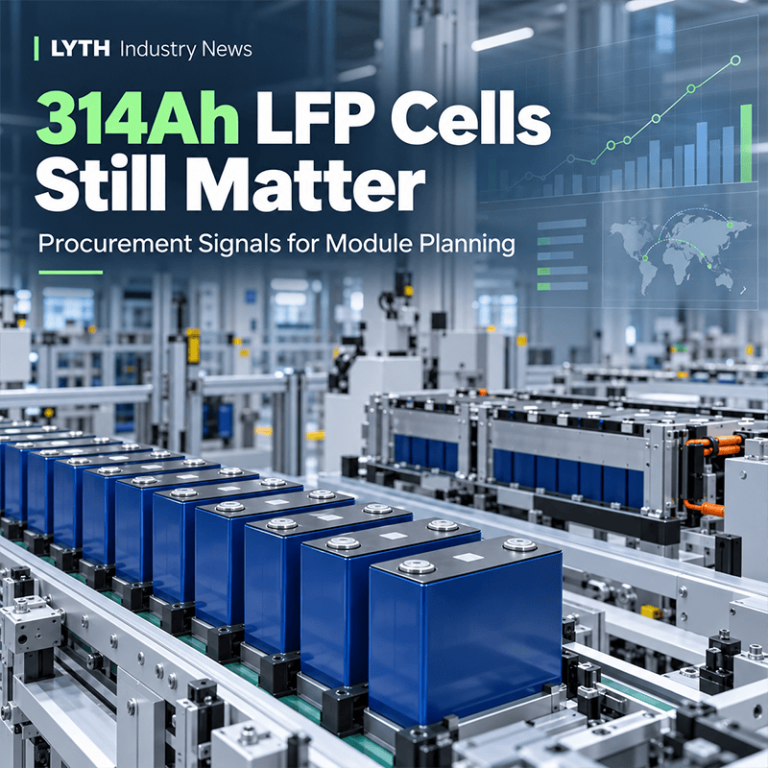 314Las celdas Ah LFP siguen siendo importantes para la planificación de módulos de batería
 Localización de baterías LFP europeas y planificación de módulos
 Paquetes de baterías de IA para vehículos eléctricos comerciales: Qué cambia la detección a nivel celular para la integración
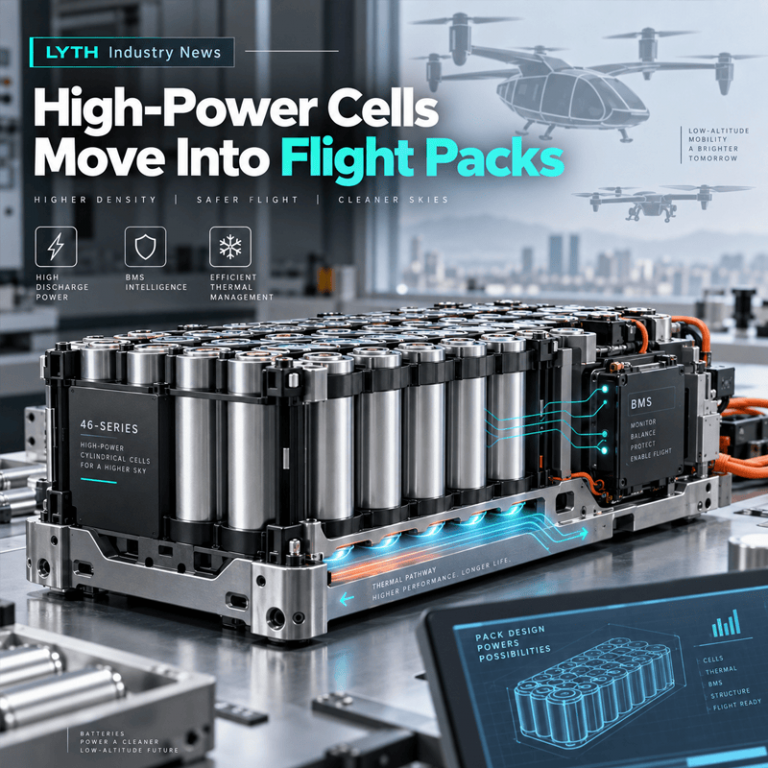 Las células de alta potencia se trasladan a paquetes de vuelo: Lo que requieren las baterías de baja altitud más allá de la capacidad