On June 26, 2026, REPT BATTERO announced that it had received TÜV Rheinland certificates under the EU Battery Regulation for two products: its 314Ah Wending battery cell and the Powtrix 3.0 liquid-cooled energy storage battery system. In the same update, the company also emphasized work related to the battery passport. For battery buyers, this is not just a certification headline. It is a practical reminder that regulatory readiness is becoming part of normal commercial qualification.
For overseas customers, especially in Europe, battery procurement is increasingly tied to traceability, product-level documentation, and clearer visibility into compliance workflows. In the past, many inquiries focused first on model, pricing, and shipment timing. That is still important, but recent market direction shows that export-facing battery business is also shifting toward auditability: where cells come from, how data is managed, and whether the supplier can support downstream module or PACK integration with cleaner documentation.
This matters even more for companies working between cell supply and finished application delivery. Battery modules and custom PACKs sit at the point where sourcing choices turn into engineering responsibility. If upstream products are moving toward stricter compliance structures, downstream integration partners also need to prepare for tighter coordination on coding, traceability records, BOM consistency, and project documents for shipment or market entry.
The June 26 REPT update is commercially meaningful because it shows that compliance is becoming a sales factor, not only a legal one. Buyers who start asking earlier about battery passport alignment, regulation status, and supporting records may reduce later friction in qualification, logistics, and customer approval. For suppliers and integration partners, that creates a clearer expectation: product capability alone is no longer enough. Readiness now also includes document discipline and integration support.
LYTH View:
LYTH sees this as a practical export-market signal. For cell, module, and custom PACK business, customers increasingly need a partner that can coordinate not only product selection, but also model matching, integration records, and communication around compliance-related documentation.
What LYTH Can Do:
LYTH can support customers with branded cell sourcing, module selection, custom PACK development, and early-stage engineering communication around application fit, structure, BMS coordination, and export-facing documentation workflows. For projects heading toward Europe, this type of preparation is increasingly valuable before mass purchasing starts.
Sources with clickable links:


 Dual-Cluster Storage Integration: Hardware Cost-Cutting or Real Electrical Architecture?
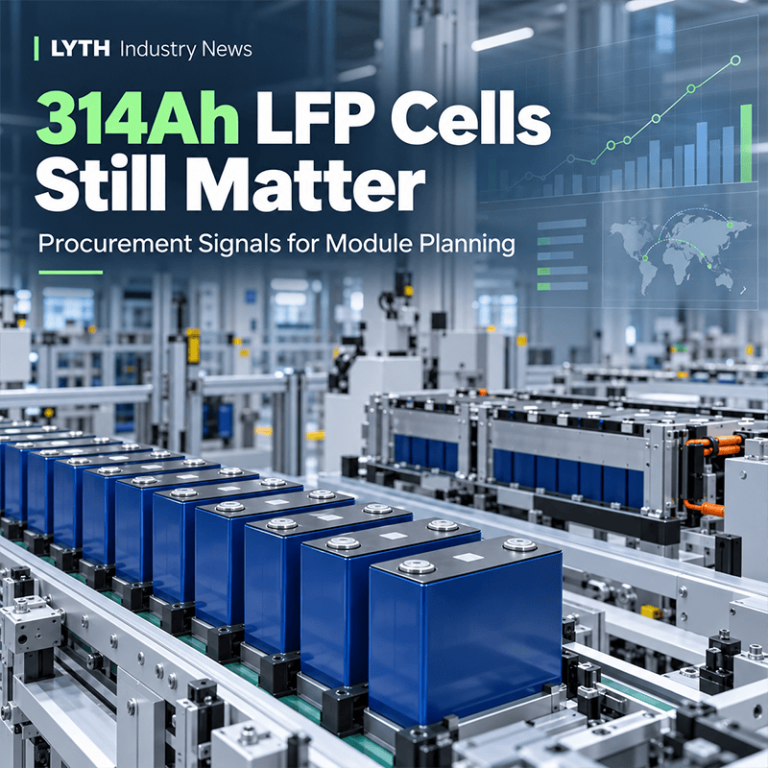 314Ah LFP Cells Still Matter for Battery Module Planning
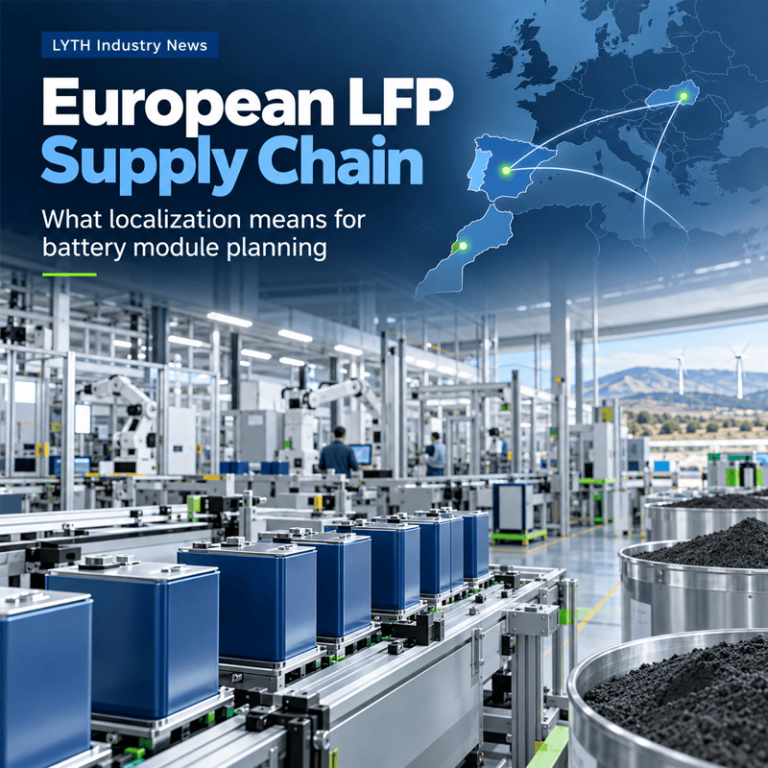 European LFP Battery Localization and Module Planning
 AI Battery Packs for Commercial EVs: What Cell-Level Sensing Changes for Integration
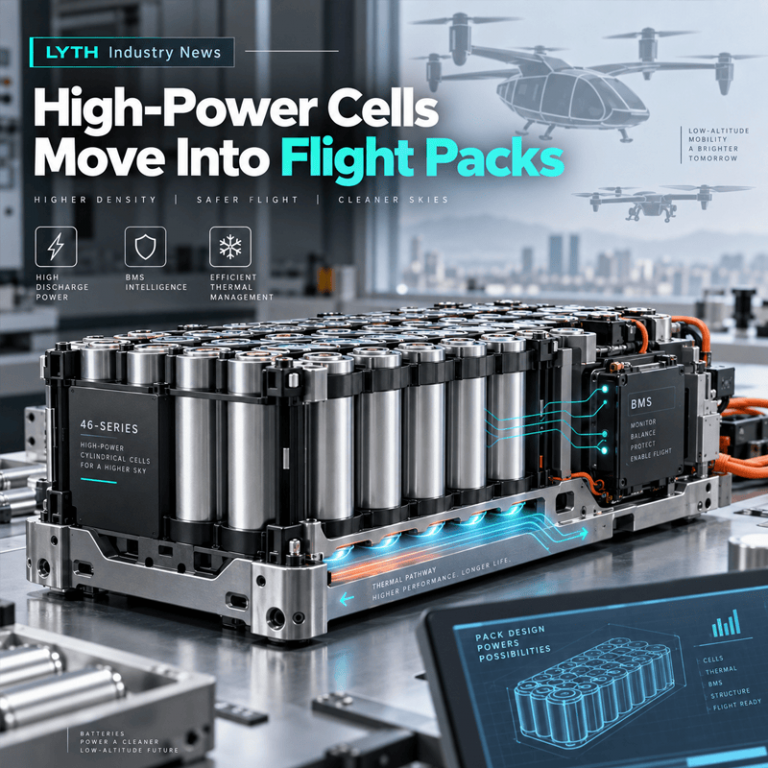 High-Power Cells Move Into Flight Packs: What Low-Altitude Batteries Require Beyond Capacity