En 2026-08-31, ChinaEV100 publicó un resumen de un seminario de alto nivel sobre riesgos de seguridad y mecanismos de protección de baterías de vehículos de nueva energía. El seminario reunió a grupos del sector, instituciones de investigación, fabricantes de vehículos, empresas de baterías, proveedores de servicios, y participantes del sector asegurador. El mensaje central era claro.: a medida que se expande la adopción de vehículos eléctricos, Los riesgos de seguridad de las baterías son cada vez más múltiples, entre etapas, y dinámico.
La discusión se produjo en el contexto de los requisitos de seguridad actualizados para vehículos y baterías de tracción de China., incluyendo GB18384-2025 y GB38031-2025. Según el resumen de ChinaEV100, La nueva etapa de gobernanza de la seguridad de las baterías pone mayor énfasis en la difusión térmica., protección inferior, sistemas de alto voltaje, calidad de fabricación, compartir datos, servicio posventa, y trazabilidad del ciclo de vida completo.
Respuesta directa
Para compradores de módulos de batería y PACK personalizados, La implicación práctica es que la seguridad ya no puede revisarse únicamente a nivel del producto terminado.. Un proyecto debería evaluar la selección de células, diseño estructural, Lógica BMS, coordinación térmica, aislamiento, caza de focas, consistencia de fabricación, trazabilidad de lotes, y condiciones operativas específicas de la aplicación antes de confirmar el diseño de un módulo o PACK.
Este cambio es importante porque los riesgos de la batería no aparecen en un solo lugar. Una celda técnicamente adecuada puede volverse inadecuada si la estructura del paquete crea una compresión desigual., mala disipación de calor, aislamiento eléctrico débil, o difícil acceso al servicio. Un BMS puede leer correctamente el voltaje y la temperatura de la celda, pero aún requiere una lógica específica del proyecto para los límites de carga, comportamiento a baja temperatura, protección contra sobrecorriente, protocolo de comunicacion, y respuesta a fallos. Un módulo puede pasar controles básicos en una aplicación pero enfrentar diferentes exposiciones a riesgos en vehículos logísticos., equipo de movilidad, respaldo de telecomunicaciones, o pequeño almacenamiento comercial.
El debate sobre ChinaEV100 también enfatizó la coherencia en la fabricación.. Este punto es directamente relevante para la producción de PACK.. Incluso cuando las células, barras colectoras, materiales aislantes, y las carcasas están especificadas correctamente, La variación del proceso puede afectar la confiabilidad a largo plazo.. Calidad de soldadura, control de par, agrupación celular, colocación del aislamiento, caza de focas, precisión del accesorio, y los registros de pruebas finales son parte del sistema de seguridad.. Por lo tanto, los compradores deberían preguntarse cómo controla un proveedor el proceso de producción., no solo qué piezas se enumeran en la cotización.
Para reemplazo, modernización, o proyectos personalizados de lotes pequeños, la revisión de seguridad debería ser aún más cuidadosa. Muchos compradores se centran primero en si el voltaje, capacidad, y las dimensiones coinciden con la aplicación de destino. Esos controles son necesarios, pero no son suficientes. Los ingenieros también deben confirmar la orientación de montaje., exposición a vibraciones, espacio del recinto, método de enfriamiento, corriente pico, interfaz de comunicación, comportamiento del cargador, y el ciclo de trabajo esperado. Un PACK diseñado para un uso de respaldo ocasional no es automáticamente adecuado para movilidad de alta frecuencia o equipos industriales..
Este desarrollo también refuerza el valor de la trazabilidad.. La gestión de la seguridad de las baterías depende cada vez más de saber qué celdas se utilizaron, como estaban agrupados, que pruebas se realizaron, y cómo se comporta la batería en funcionamiento real. Para compradores internacionales, La trazabilidad también está ligada a la evaluación de la garantía., documentación de envío, solución de problemas técnicos, y decisiones futuras de servicio.
Para LYTH, la respuesta más creíble es no reclamar una amplia autoridad de seguridad a nivel del sistema. La capa relevante es el soporte de ingeniería de módulos y PACK.: ayudar a los compradores a confirmar los requisitos de la solicitud, idoneidad del modelo celular, estructura del módulo, Coincidencia de BMS, protección térmica y eléctrica, viabilidad de fabricación, y documentación de entrega.
Ver
La seguridad de la batería se trata cada vez menos de un único certificado de aprobación/falla y más de una disciplina de ingeniería en todo el ciclo de vida del módulo y del PACK.. LYTH debería tratar la seguridad como un proceso de coincidencia de aplicaciones: el modelo celular correcto, estructura, estrategia BMS, y los controles de producción deben coincidir con el caso de uso real.
Qué puede hacer LYTH
LYTH puede ayudar a los compradores con la selección del módulo de batería, revisión de la estructura del PACK personalizado, Adaptación BMS, Coordinación térmica y de seguridad., y comprobaciones de viabilidad de fabricación para aplicaciones como módulos EV, baterías de respaldo de telecomunicaciones, equipo de movilidad, y subsistemas de almacenamiento comercial ligero.
Fuentes
Resumen del seminario sobre seguridad de la batería ChinaEV100
2026 Informe de la Conferencia Mundial de Baterías Eléctricas


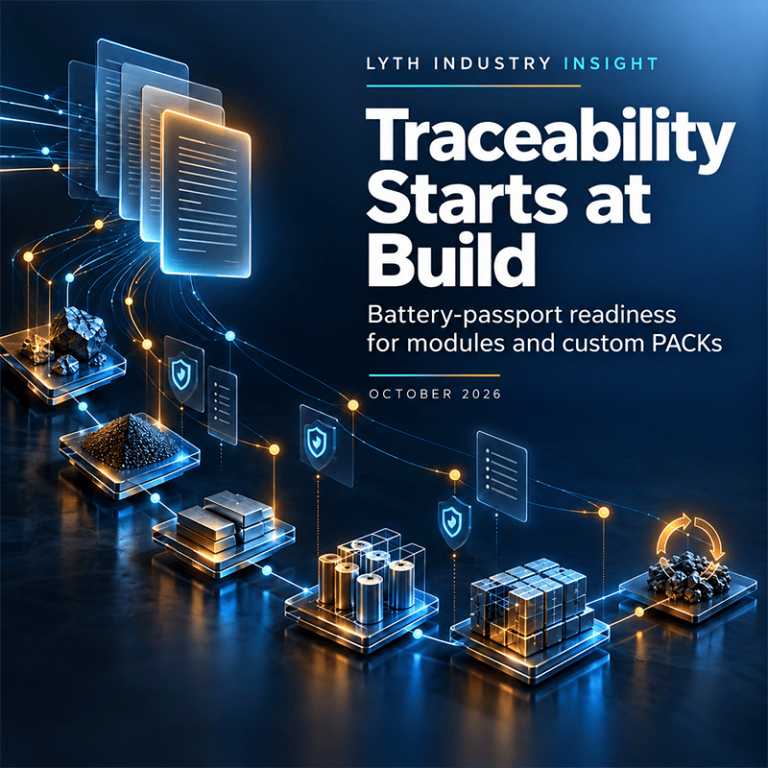 Preparación del pasaporte de batería para módulos y paquetes personalizados
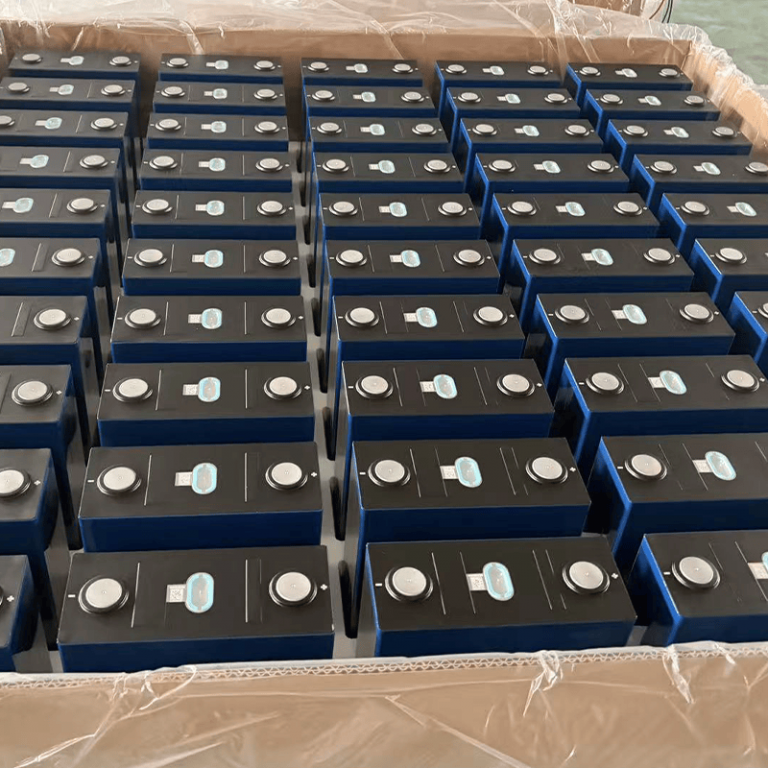 Barcos LYTH 16,000 Celdas de batería CALB 314Ah a Europa
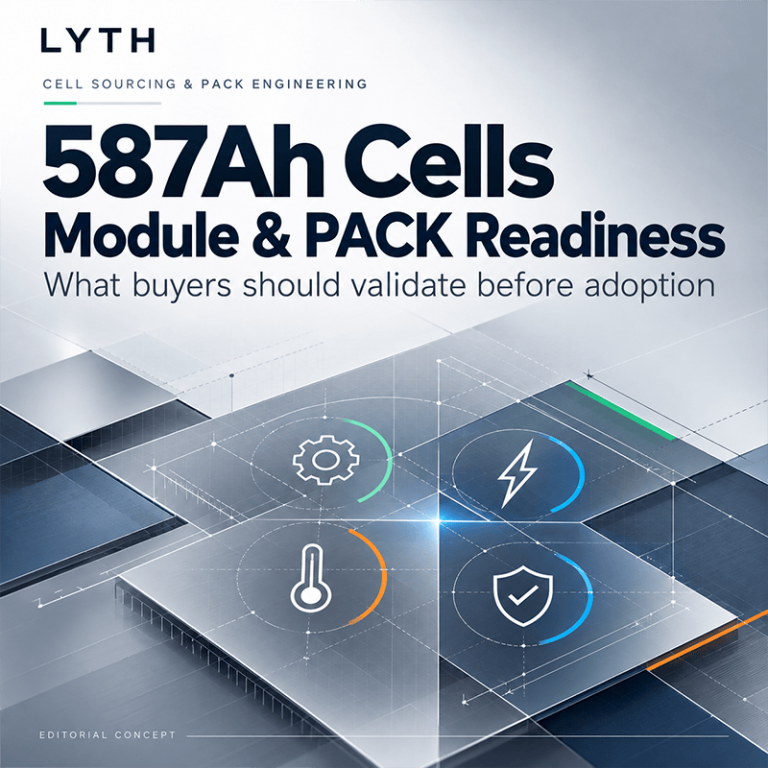 587Medios de producción en masa de celdas Ah para compradores de módulos de batería y paquetes
 Integración de almacenamiento de clúster dual: Reducción de costes de hardware o arquitectura eléctrica real?
 314Las celdas Ah LFP siguen siendo importantes para la planificación de módulos de batería