Nel mese di agosto 6, 2026, OFweek ha riferito che BAK Battery ha rilasciato una cella LFP prismatica da 85 Ah per applicazioni di accumulo di energia AIDC. Il rapporto descriveva la cella come progettata per una scarica ad alta velocità, bassa resistenza interna, risposta rapida all'impulso, e copertura della certificazione di sicurezza tra cui UL9540A e UL1973. Ha inoltre affermato che il prodotto è entrato nella produzione di massa.
Risposta diretta: una cella ad alta velocità orientata all'AIDC cambia il design del PACK perché la batteria deve supportare un'improvvisa richiesta di energia, non solo una lunga durata del backup. Impedenza cellulare, generazione di calore, Velocità di campionamento BMS, resistenza di contatto, logica di protezione, e il flusso d'aria o il raffreddamento dell'armadio diventano tutti parte dell'abbinamento dell'applicazione.
Ciò è importante perché i data center IA e i carichi di elaborazione ad alta densità possono creare fluttuazioni di potenza più rapide e precise rispetto alle tradizionali applicazioni di standby. Una batteria di backup utilizzata in questo contesto potrebbe dover fornire una forte potenza di impulso, mantenere la tensione stabile, ed evitare un eccessivo aumento di calore durante ripetuti eventi di corrente elevata. Se il PACK è progettato solo in base alla tensione e alla capacità nominali, il risultato può sembrare accettabile sulla carta ma non corrispondere al reale profilo operativo.
Per l'ingegneria PACK personalizzata, il primo livello di progettazione è la cella stessa. Una cella LFP ad alta velocità può supportare prestazioni di scarica più elevate, ma il pacco batteria finale dipende da come è collegata quella cella, raffreddato, monitorato, e protetto. Dimensionamento delle sbarre, qualità della saldatura, resistenza di contatto, strategia del fusibile, portata del sensore di corrente, posizionamento del sensore di temperatura, e le impostazioni del firmware BMS possono tutte influenzare la possibilità che il PACK possa utilizzare in sicurezza le prestazioni nominali della cella.
Il secondo strato è la coordinazione termica. L'elevata corrente crea calore attraverso la resistenza interna e la resistenza di connessione. Anche quando il fornitore delle celle segnala un aumento della temperatura controllato in condizioni di test definite, un vero PACK deve tenere conto del volume del recinto, ventilazione, orientamento di installazione, apparecchiature circostanti, temperatura ambiente, e ciclo di lavoro. Per armadi telecomunicazioni, Sale UPS, e piccoli sistemi di backup commerciali, queste condizioni pratiche possono essere più importanti del tasso di esborso principale.
Il terzo livello è comunicazione e protezione. AIDC, telecom, e i sistemi di alimentazione di backup spesso richiedono report chiari sullo stato, isolamento dei problemi, e un comportamento di interruzione prevedibile. Il BMS deve tradurre la capacità a livello di cella in affidabilità a livello di sistema fissando limiti di corrente, soglie di temperatura, Finestre SOC, strategia di bilanciamento, allarmi, e protocolli di comunicazione che corrispondono all'apparecchiatura host.
Per gli acquirenti, la lezione pratica è semplice: non specificare un PACK di backup ad alta velocità solo in base alla capacità. Richiedere il profilo di scarico previsto, durata della corrente di picco, metodo di raffreddamento, Protocollo BMS, confine di certificazione, intervallo di temperatura di installazione, e piano di test di convalida. Il modello cellulare è il punto di partenza; il design PACK decide se la cella può essere utilizzata in modo responsabile.
Vista LYTH
La tendenza della batteria AIDC è utile per LYTH perché si collega direttamente all'ingegneria PACK personalizzata piuttosto che alla consegna della stazione su scala industriale. LYTH dovrebbe trattare le celle ad alta velocità come un argomento di valutazione ingegneristica: l'opportunità è reale, ma ogni progetto necessita ancora dei dati della cella, Adattamento del BMS, revisione termica, e convalida specifica dell'applicazione prima del posizionamento commerciale.
Cosa può fare LYTH
LYTH può supportare gli acquirenti con il confronto dei modelli cellulari, valutazione della struttura del modulo o del PACK, Adattamento del BMS, e coordinamento termico/di sicurezza per il backup delle telecomunicazioni, UPS, attrezzature industriali, e applicazioni di stoccaggio commerciale leggero. Per progetti ad alto tasso, LYTH dovrebbe confermare il ciclo di lavoro, requisiti di comunicazione, vincoli di recinzione, e certificazioni target prima del preventivo finale.
Fonti
OFweek: L'AIDC entra nell'era della risposta di potenza a livello di millisecondo,La cella batteria ad alta velocità BAK 85Ah è nata in risposta alla domanda
Soluzioni UL: Test e certificazione del sistema di accumulo dell'energia


 Integrazione dello storage a doppio cluster: Riduzione dei costi hardware o vera architettura elettrica?
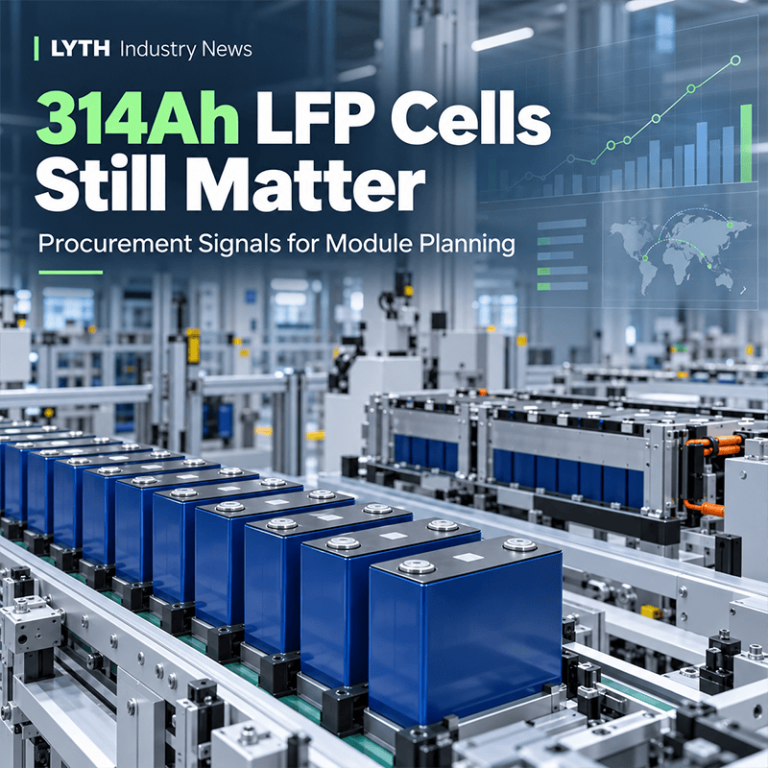 314Le celle Ah LFP sono ancora importanti per la pianificazione dei moduli batteria
 Localizzazione europea delle batterie LFP e pianificazione dei moduli
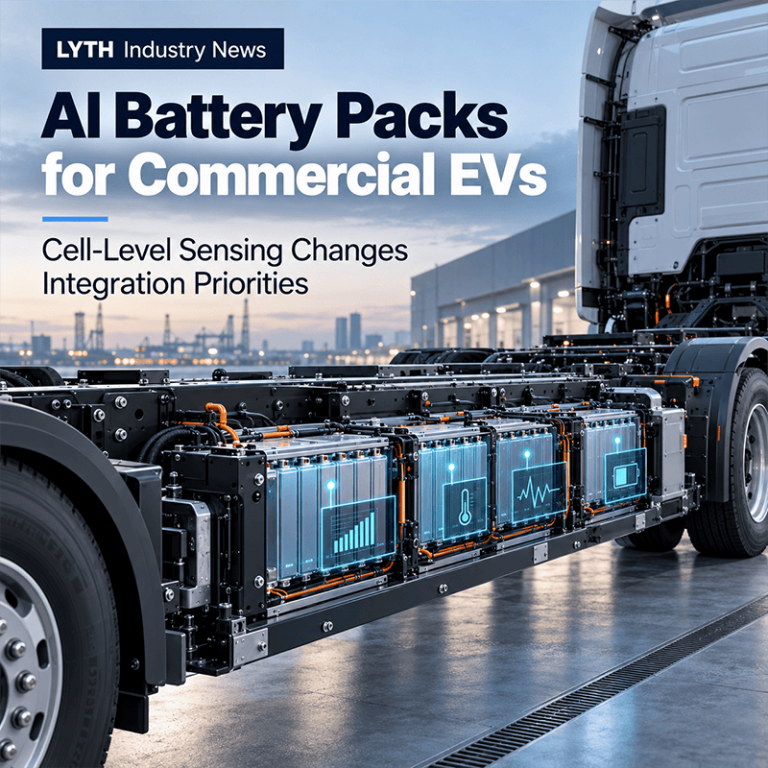 Pacchi batterie AI per veicoli elettrici commerciali: Cosa cambia il rilevamento a livello cellulare per l'integrazione
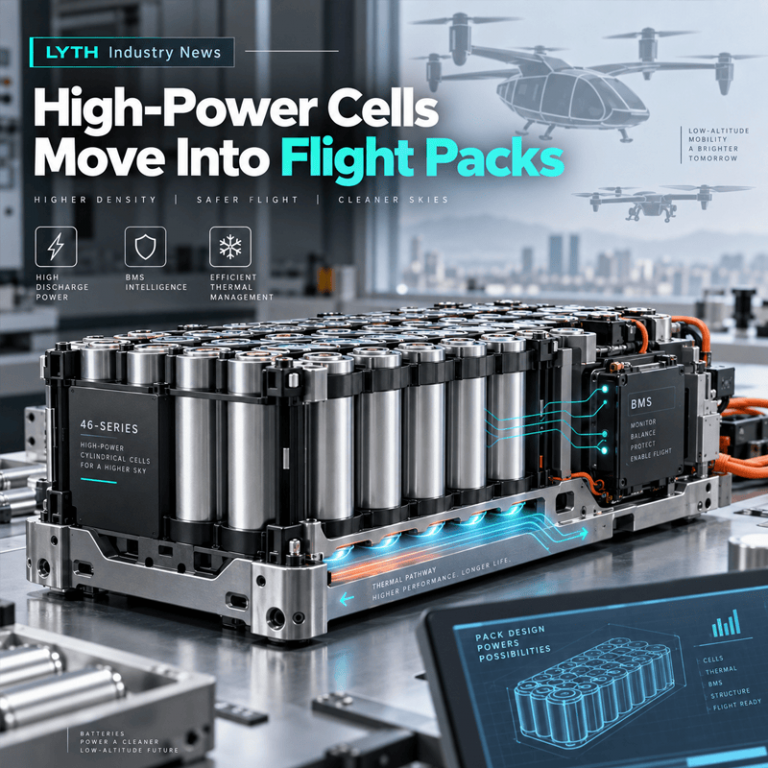 Le celle ad alta potenza si spostano nei pacchi di volo: Cosa richiedono le batterie a bassa quota oltre la capacità